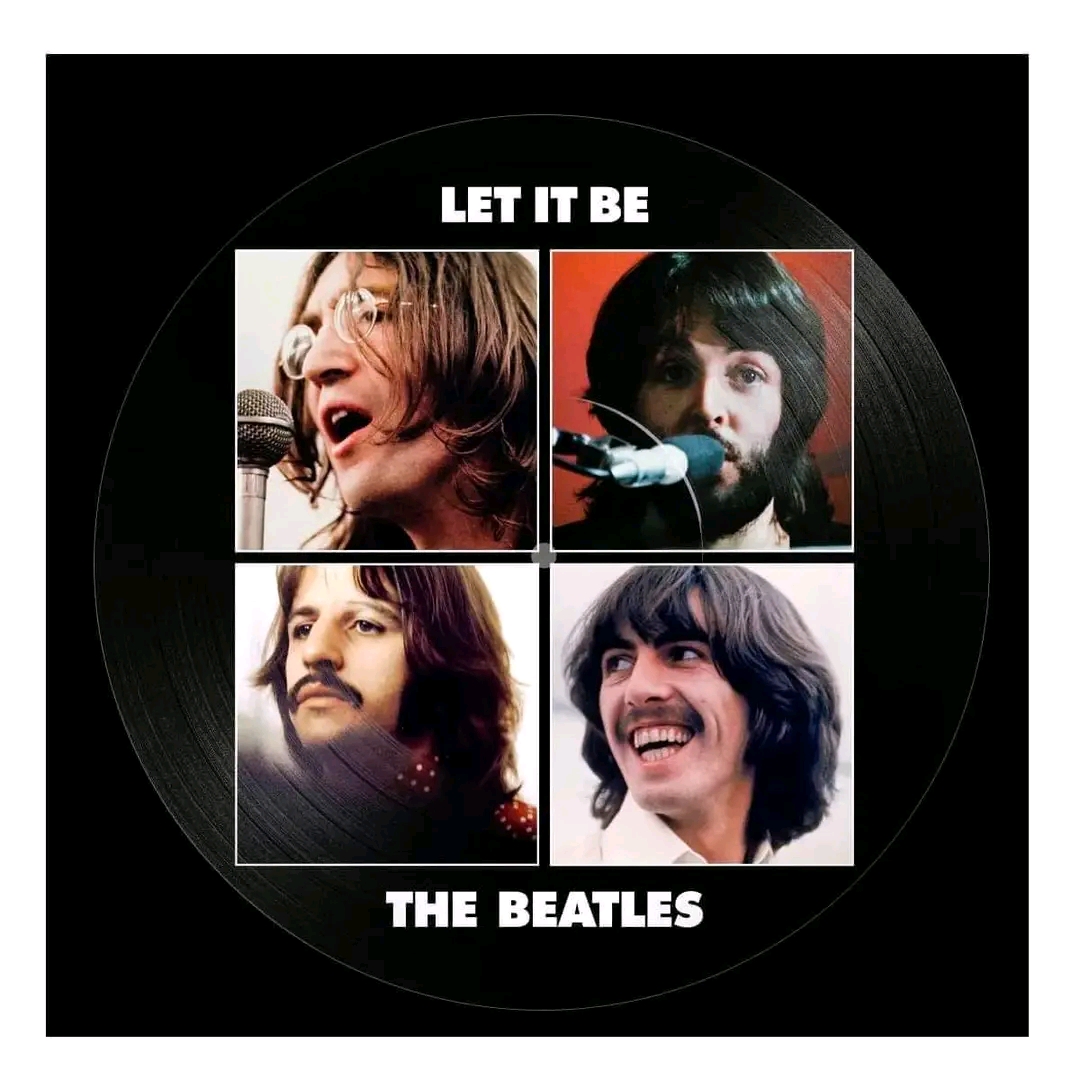
LET IT BE (1970): THE BEATLES’ MOST MISUNDERSTOOD ALBUM — AND WHY ITS LEGACY HAS FINALLY CAUGHT UP WITH ITS MUSIC
By the winter of 1968, the Beatles were a band splintering in slow motion. Arguments in the studio were becoming normal. Creative visions were drifting apart. And Paul McCartney — terrified that the magic they built was slipping — proposed a radical idea: strip everything down. No overdubs. No studio wizardry. No George Martin safety net. Just the four Beatles in a room, playing like they once had in Hamburg and the Cavern.
That idea became Let It Be — though the album that reached the world barely resembled the pure, back-to-basics dream Paul had imagined.
—
The Music: Imperfect, Unpolished, and Sometimes Brilliant
Even in the chaos, the Beatles’ brilliance broke through:
“Get Back” – John and Paul locking into a driving groove, Ringo in perfect form, Billy Preston electrifying the room.
“Let It Be” – Paul’s late-era hymn, a fusion of tenderness and inevitability.
“The Long and Winding Road” – a wounded, intimate confession buried beneath Phil Spector’s grand orchestration.
“Two of Us” – One of the final moments of pure Lennon–McCartney unity, two voices blending with the ease of childhood friends.
The album may have been fractured, but the music still carried sparks of the old alchemy — the moments that only happened when these four played together.
—
Commercial Triumph, Critical Disaster
While fans embraced it immediately — sending it to No. 1 in both the U.S. and U.K. — critics were brutal.
Melody Maker’s Alan Smith dismissed it as a “cheapskate epitaph… a cardboard tombstone.”
Rolling Stone argued the Beatles had “passed the audition” musically but lost creative control by letting Phil Spector reshape Paul’s vision.
Richie Unterberger (AllMusic) later reflected that Let It Be remains the only Beatles album greeted with open hostility on release.
For many early listeners, the album sounded less like a new chapter and more like the end — the sound of a band dissolving in real time.
—
What We Hear Today: A Documentary, Not a Disaster
Modern audiences view Let It Be differently — especially after Peter Jackson’s Get Back documentary exposed the warmth, humor, and real collaboration buried beneath the myth of constant fighting.
Today, the album feels like:
a portrait of a band trying to find its way back,
a soundtrack to a group in transition,
a reminder that even in fracture, the Beatles wrote timeless music.
The imperfections are now part of the charm. The cracks show the humanity. And the rooftop performance — once considered a footnote — has become one of the most iconic live moments in rock history.
—
So Where Does Let It Be Rank?
That answer reveals more about the listener than the band.
If you value polish, ambition, and cohesion, Let It Be sits near the bottom.
If you value honesty, vulnerability, and the rare chance to see the Beatles as humans — struggling, laughing, improvising — then this album becomes essential.
Its legacy has aged like truth often does: quietly, steadily, and unmistakably.
Today, Let It Be is no longer the Beatles’ “cardboard tombstone.”
It is their final mirror — cracked, beautiful, and real.