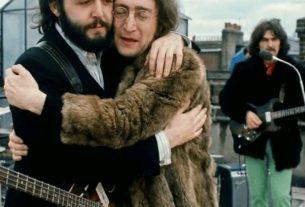
After The Beatles disbanded in 1970, Paul McCartney stood at a crossroads few artists in history have ever faced. He could have taken the easiest and most obvious path—forming a supergroup, trading on instant prestige, and leaning heavily on the greatest catalog in popular music. Instead, McCartney did something far more daring: he chose to begin again, almost anonymously, with nothing but new songs and a new sense of purpose.
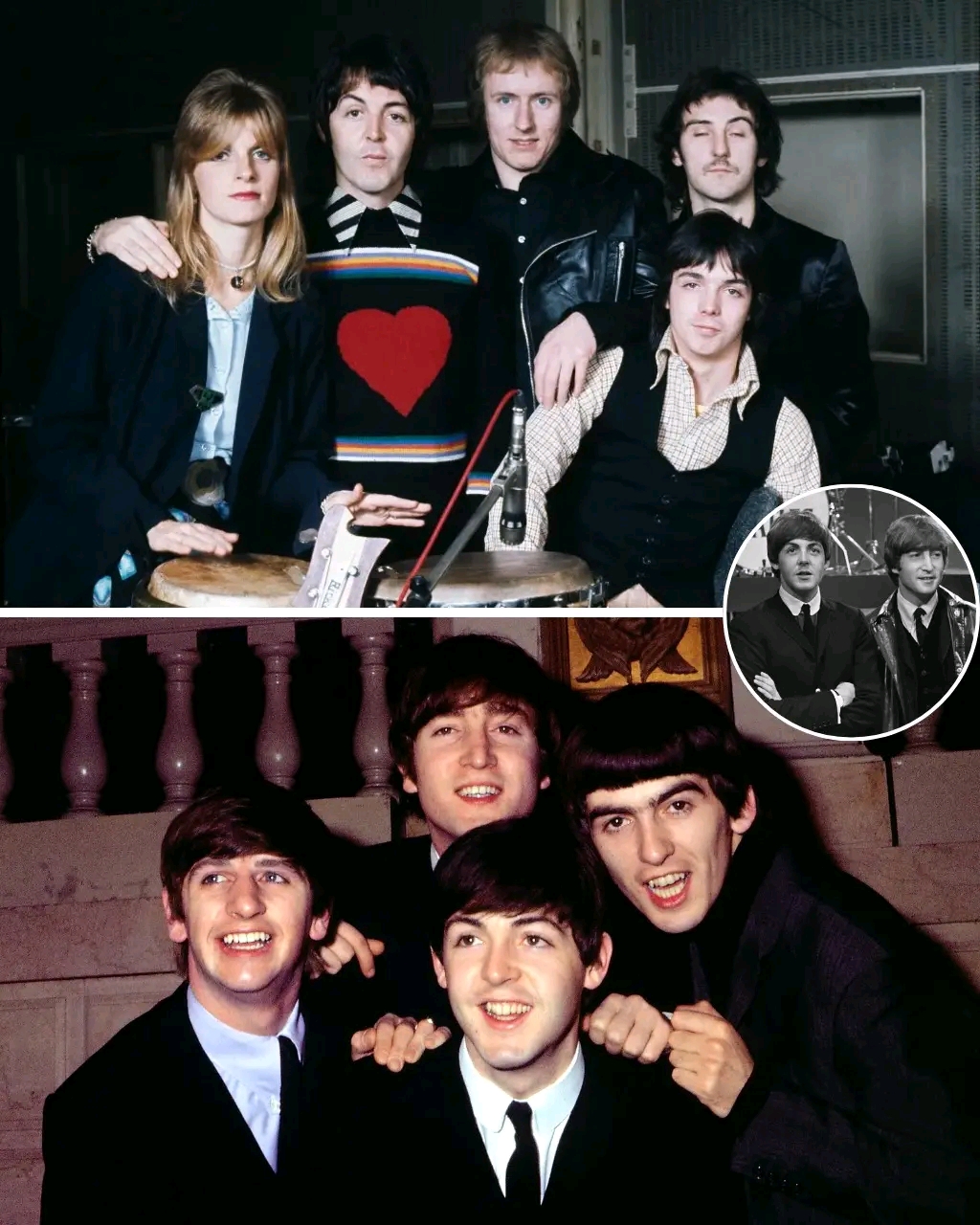
In the immediate aftermath of The Beatles’ breakup, McCartney was deeply bruised—emotionally, creatively, and publicly. Critics dismissed his early solo work as lightweight, and the shadow of Lennon–McCartney loomed over every move he made. Yet rather than chase validation, Paul retreated inward. He formed Wings not as a vehicle for nostalgia, but as a working band in the truest sense. Linda McCartney, Denny Laine, and others weren’t assembled for star power; they were chosen for chemistry, commitment, and a willingness to grow together.
What made this choice so radical was McCartney’s discipline. In Wings’ early days, he often refused to perform Beatles songs live, even when audiences expected—or demanded—them. It wasn’t arrogance; it was resolve. Paul wanted Wings to stand or fall on its own merit. He wanted to know, for himself, whether he could still connect with people without the safety net of history. For an artist who had already conquered the world, that restraint took remarkable courage.
The stories from this period have become almost mythic. McCartney traveling modestly with Linda and their children, loading instruments onto buses, playing unannounced gigs at universities, sometimes performing to half-filled halls. This was not the behavior of a man clinging to past glory—it was the mindset of a musician rebuilding trust with an audience from the ground up. Paul wasn’t hiding from his legacy; he was stepping out from under it.
Over time, that gamble paid off. Wings evolved into one of the most successful bands of the 1970s, delivering classics like Band on the Run, Live and Let Die, and Jet. The success felt earned because it was. McCartney hadn’t demanded respect—he’d worked for it again, note by note, tour by tour.
Paul McCartney’s post-Beatles journey isn’t just a chapter in music history; it’s a lesson in humility and artistic integrity. When he had every reason to stay on top, he chose instead to start at the bottom. And in doing so, he proved that greatness isn’t defined by how high you rise—but by the courage to begin again when you’re already at the summit.