John Lennon — The Night the Music Fell Silent
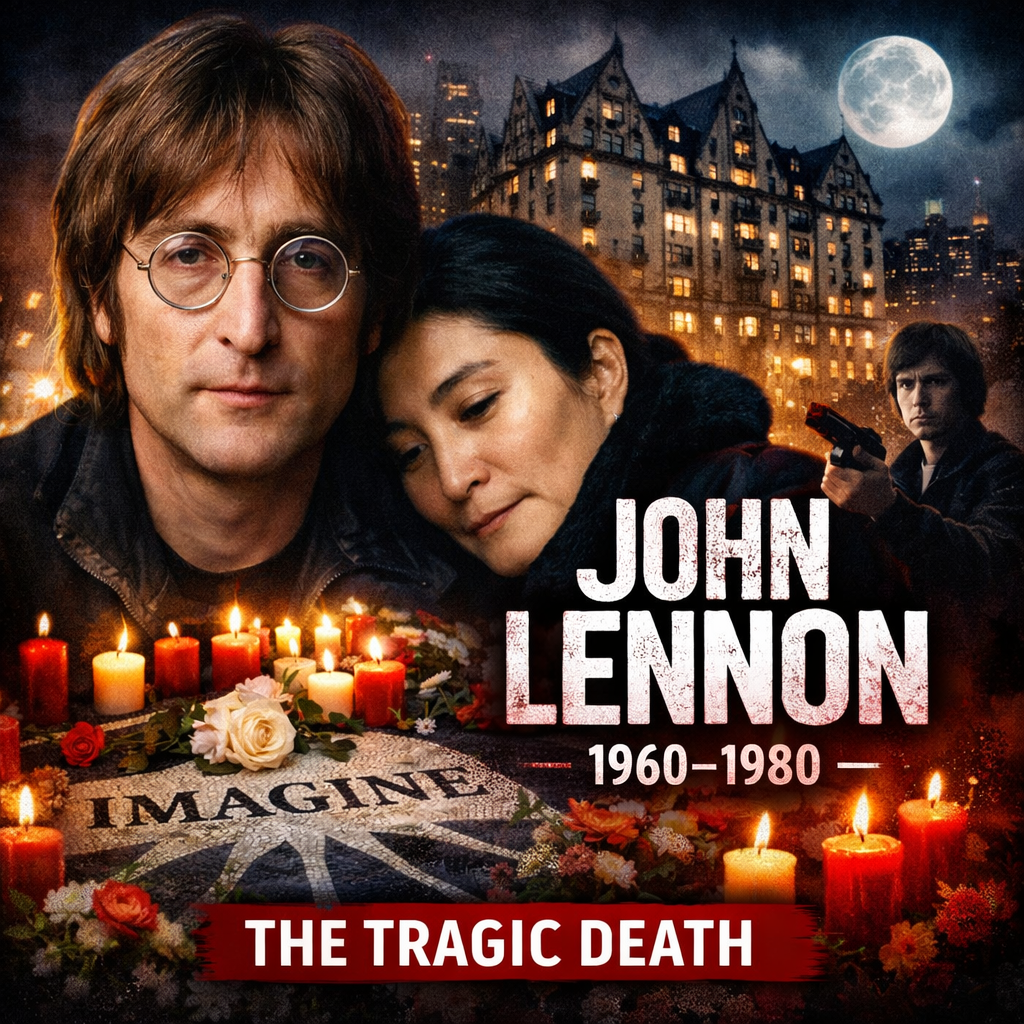
On the night of December 8, 1980, the world lost more than a musician — it lost a voice that had defined a generation. John Lennon, co-founder of The Beatles, was shot and killed outside his home at The Dakota in New York City. He was only 40 years old. The news traveled with stunning speed, interrupting television broadcasts and radio programming, leaving millions in disbelief.
Earlier that same day, Lennon had seemed optimistic and energized. After five years away from the spotlight, he had returned with Double Fantasy, a collaborative record with Yoko Ono. The album reflected a softer, reflective side of Lennon — a man focused on fatherhood, love, and personal renewal. Songs spoke of domestic peace rather than rebellion, marking what many believed was the beginning of a powerful new creative chapter.
At approximately 10:50 p.m., as Lennon and Ono walked through the archway of The Dakota, they were confronted by Mark David Chapman, a disturbed fan who had earlier asked Lennon for an autograph. Chapman fired multiple shots, striking Lennon in the back. He was rushed to Roosevelt Hospital, where he was pronounced dead on arrival.
The shock was immediate and global. Crowds gathered outside The Dakota in stunned silence, holding candles against the cold December air. In cities across Europe, Asia, and the Americas, fans organized vigils. Radio stations played Beatles classics and Lennon’s solo work through the night. His anthem Imagine became a collective prayer — its lyrics about peace and unity echoing with painful irony.
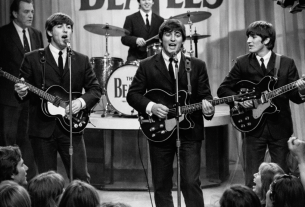
Lennon’s death symbolized more than the loss of an artist. For many, it marked the end of an era shaped by the cultural revolution of the 1960s and 70s. As a member of The Beatles, he helped redefine modern music. As a solo artist and activist, he challenged war, championed peace, and encouraged listeners to question authority and imagine a better world.
Decades later, the tragedy of December 8 still resonates. Yet so does his message. In parks where “Imagine” is sung, in protests calling for peace, and in playlists streaming across generations, Lennon’s voice endures. His life was cut short by violence, but his influence remains immortal — a reminder that while a man can be silenced, the music and ideals he leaves behind can echo forever.