This Day in 1967: The Orchestral Explosion That Changed Rock Forever
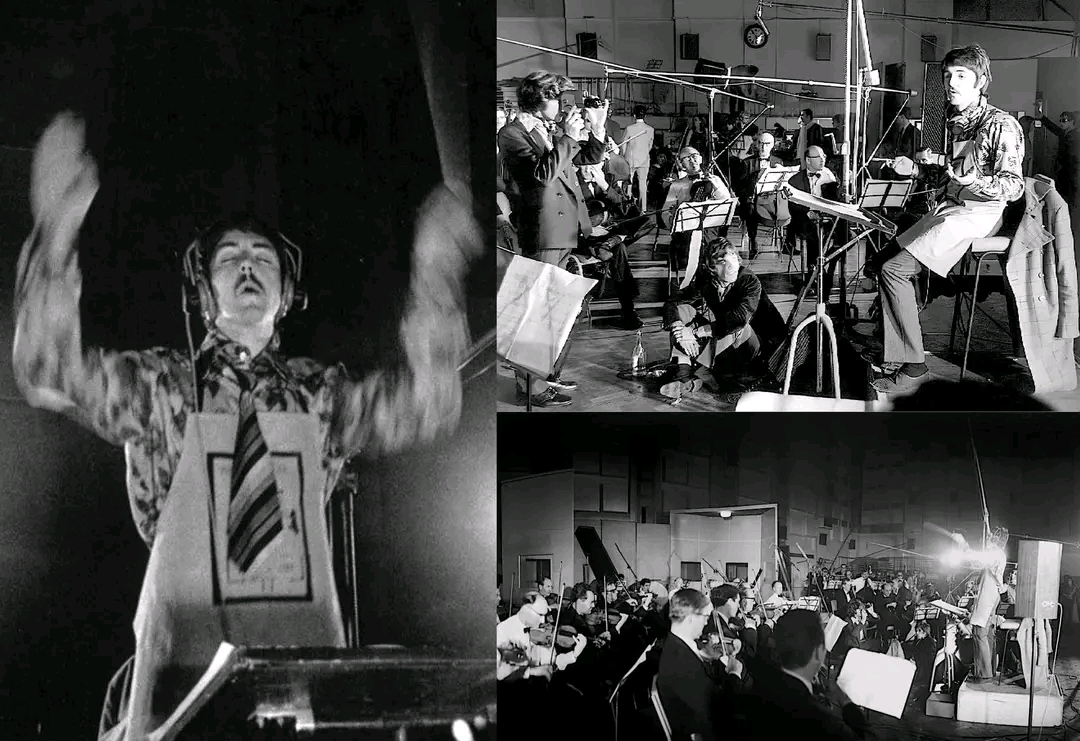
On this date in 1967, inside Studio One at EMI Studios (now Abbey Road Studios), one of the most revolutionary recording sessions in music history unfolded. From eight in the evening until one in the morning, Paul McCartney stood before a 40-piece orchestra to create the now-legendary 24-bar orchestral crescendo for “A Day in the Life,” the towering finale of Sgt. Pepper’s Lonely Hearts Club Band.
The concept for the orchestral passage was daring and wildly unconventional. Producer George Martin devised a radical instruction: each musician would begin on the lowest possible note of their instrument and, over 24 bars, climb to the highest note they could reach near an E major chord. Rather than writing a traditional melody, Martin drew a “squiggly line” through the score — a guide for chaos rather than order.
The dynamic range was equally extreme. The music began pianissimo — nearly inaudible — and swelled to a fortissimo climax, what Martin described as a “lung-bursting tumult.” Even more shocking was his final instruction: the orchestra was not to listen to one another. In a profession built on unity and precision, Martin demanded individuality. “It’s every man for himself,” he told them. The result was a controlled explosion of sound — tension, drama, and surrealism captured on tape.
Technically, the session was groundbreaking. Thanks to EMI engineer Ken Townsend’s innovation of synchronizing two four-track tape machines, the orchestra could be recorded separately and layered five times. The final effect? Two hundred musicians in a swirling sonic avalanche — all created from forty players.
The atmosphere that evening was as experimental as the music itself. Orchestral leader David McCallum appeared wearing a bright red false nose. Violinist Eric Gruenberg played with a giant gorilla’s paw on his bow hand. Musicians donned comic hats over formal evening wear. It was classical tradition colliding with psychedelic imagination.
The session was filmed in color on 16mm by guests including Mick Jagger, Marianne Faithfull, and Mike Nesmith of The Monkees. Although the BBC later banned the footage due to alleged drug references in the song, the moment had already secured its place in history.
That night in 1967 wasn’t just a recording session — it was the sound of rock music breaking its own boundaries, redefining what a studio, an orchestra, and a pop song could be.