The Beatles in 2026: Not a Memory — A Presence
You don’t press play to revisit the past.
You press play because it still feels real.
In 2026, The Beatles are no longer just a chapter in music history. They are a living current — flowing through streaming platforms, film soundtracks, social media clips, vinyl revivals, and sold-out tribute concerts across generations. Their music doesn’t survive out of nostalgia. It survives because it still speaks.
When Let It Be begins, something softens. The piano lands gently, and the world seems to pause. Not because we remember 1970 — but because we recognize ourselves in it. The uncertainty. The hope. The quiet strength in surrender.
When Hey Jude rises into that final chorus, strangers still connect without introduction. Stadiums, weddings, living rooms — the “na-na-na” refrain continues to turn crowds into choirs. It’s not retro. It’s communal.
And when Here Comes the Sun begins, it doesn’t sound aged. It sounds like light breaking through clouds — the kind of optimism that resets a day, or even a life.
That’s the difference.
Songwriting Over Spectacle
Their power was never just popularity. It was craft.
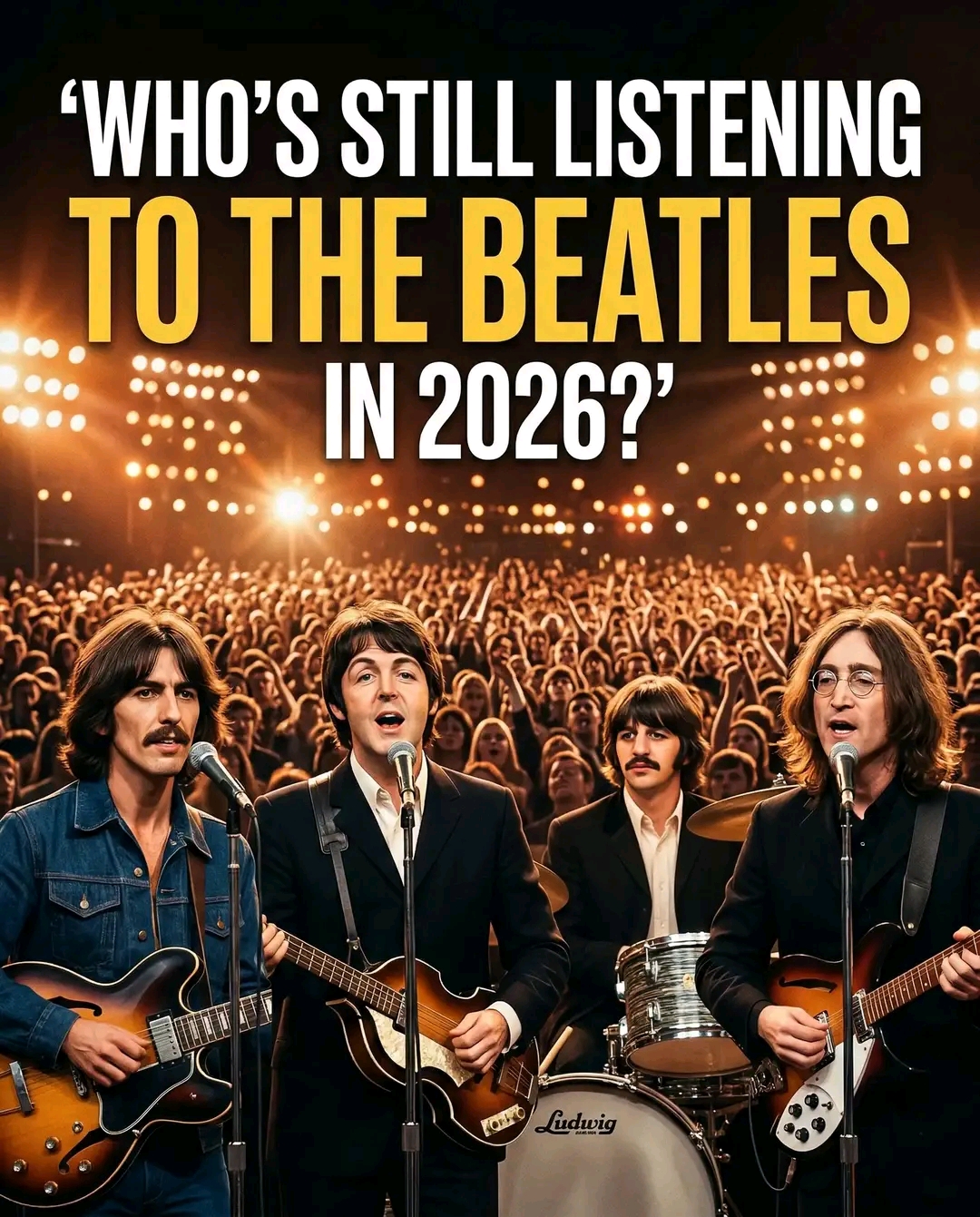
From the melodic genius of Paul McCartney to the introspective edge of John Lennon, from the spiritual searching of George Harrison to the steady heartbeat of Ringo Starr, the band fused distinct personalities into something unified yet unpredictable.
They understood melody — but they also understood restraint. Their lyrics were accessible without being simplistic. Their arrangements were innovative without losing warmth. Even at their most experimental, there was always something human at the center.
They Evolved — And So Did We
Listen chronologically and you hear transformation. Early harmonies bloom into studio experimentation. Innocent love songs expand into philosophical reflections. They didn’t remain frozen in one era — and that refusal to stay still is exactly why they remain relevant.
In an age dominated by fast trends and algorithm-driven hits, their catalog rewards patience. It invites listening, not just hearing. Younger audiences discovering them through streaming platforms don’t treat the songs like museum pieces. They treat them like playlists.
Because the emotions are still current.
Humanity That Outlasts Hype
What keeps them present in 2026 isn’t just remasters or documentaries. It’s the feeling.
There’s vulnerability in “In My Life.” There’s reassurance in “Let It Be.” There’s resilience in “Come Together.” There’s renewal in “Here Comes the Sun.” These aren’t time-stamped emotions. They are universal ones.
And in a world where attention shifts in seconds and fame evaporates overnight, authenticity still resonates.
Some music fades.
Some music timestamps a generation.
But some music becomes part of the emotional vocabulary of humanity.
The Beatles belong to that last category.
You don’t press play to remember them.
You press play because they’re still here.