Are There Still Beatles Fans in 2026?
More than six decades after four young musicians walked onto the stage at the Cavern Club in Liverpool, the question still appears again and again: Are people still listening to The Beatles in 2026?
The simple answer is yes—perhaps more than ever.
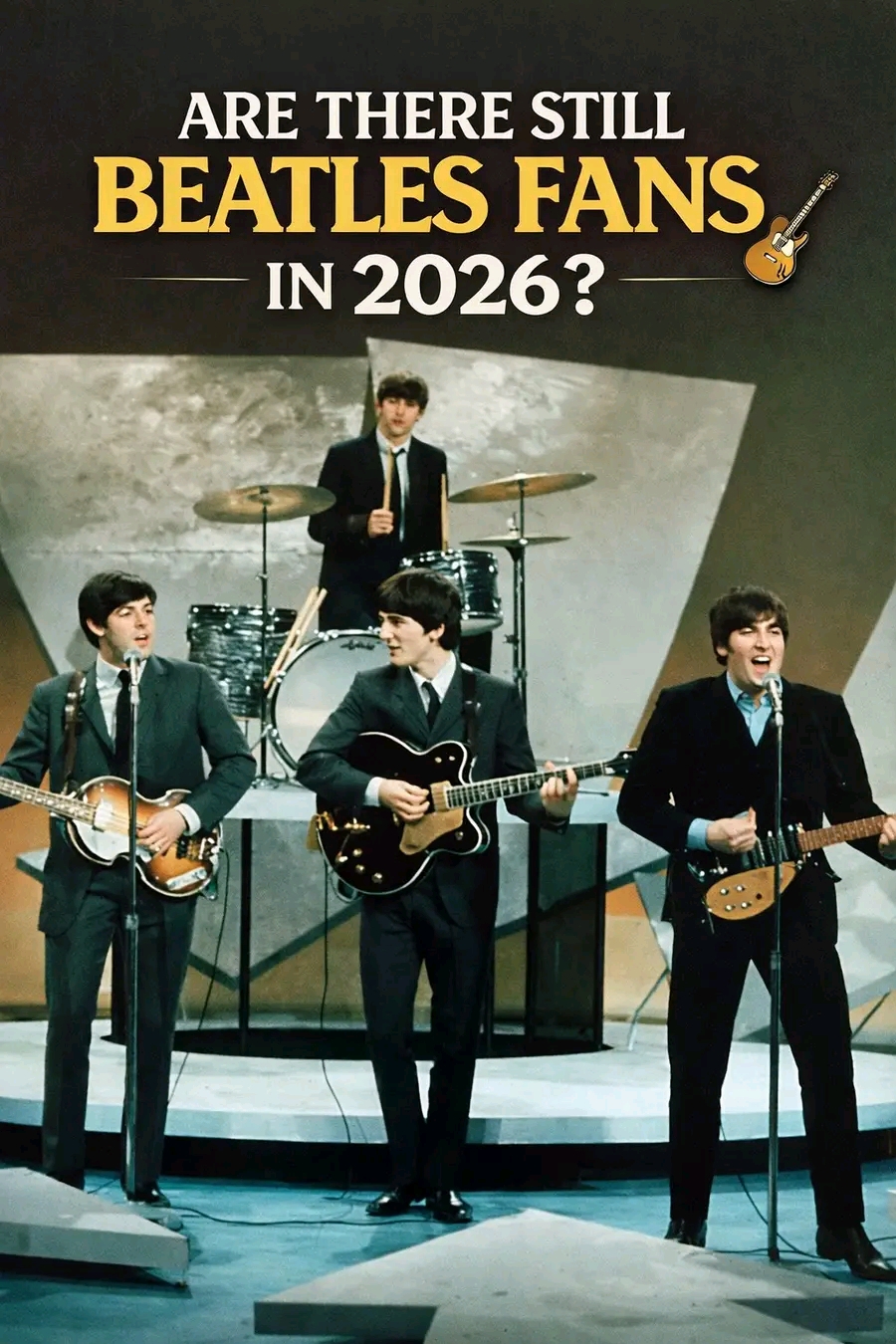
The Beatles were never just another successful band. When John Lennon, Paul McCartney, George Harrison, and Ringo Starr came together in Liverpool in the early 1960s, they did something unusual. They didn’t simply follow the sound of their time—they reshaped it.
Before streaming platforms, before playlists, before algorithms suggested what people should hear, their music spread from record players and radios into everyday life. Songs weren’t just entertainment; they became memories tied to people’s lives.
A song like Let It Be still finds its way into quiet moments when people need reassurance. Hey Jude continues to transform stadiums and concerts into one giant chorus. And when Here Comes the Sun begins to play, it still carries the gentle optimism that made it unforgettable when it was first written.
What makes their music survive generation after generation is something deeper than nostalgia. The Beatles captured emotions that never go out of date—hope, loneliness, friendship, heartbreak, and joy. Those feelings belong to every generation, which means the songs keep finding new listeners.
Today, young fans discover the band through streaming apps, social media clips, and documentaries. Many hear their music for the first time not from vinyl records, but from a phone speaker or a recommendation online. Yet the reaction is often the same as it was decades ago: curiosity, excitement, and sometimes a sense that these songs somehow feel both old and completely new.
Older fans, meanwhile, continue to carry the music as part of their personal history. For them, Beatles songs are tied to childhood bedrooms, first concerts, long road trips, and the voices of friends who sang along.
The remarkable thing is that both experiences—new discovery and lifelong attachment—can exist at the same time.
In 2026, the world looks very different from the one in which the Beatles first appeared. Music is consumed faster, trends change quickly, and artists often rise and fade within a few years. Yet the Beatles remain part of the cultural conversation, proving that some music moves beyond its era.
Their songs no longer belong only to the 1960s. They belong to anyone who presses play.
So yes, there are still Beatles fans in 2026.
Some have been listening for sixty years.
Others discovered them yesterday.
And somewhere in the world, right now, someone is hearing a Beatles song for the very first time—and realizing that great music never really grows old. 🎶