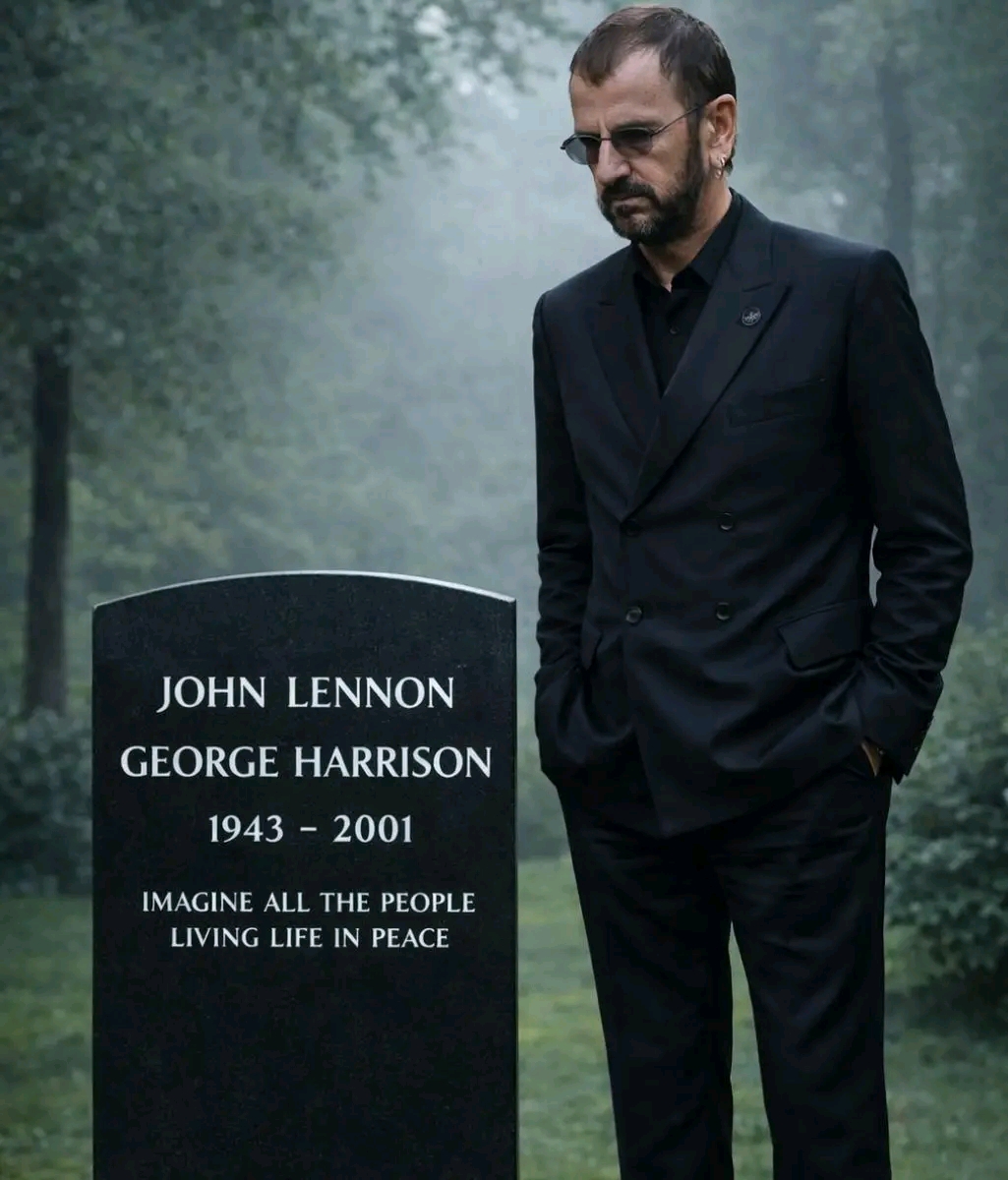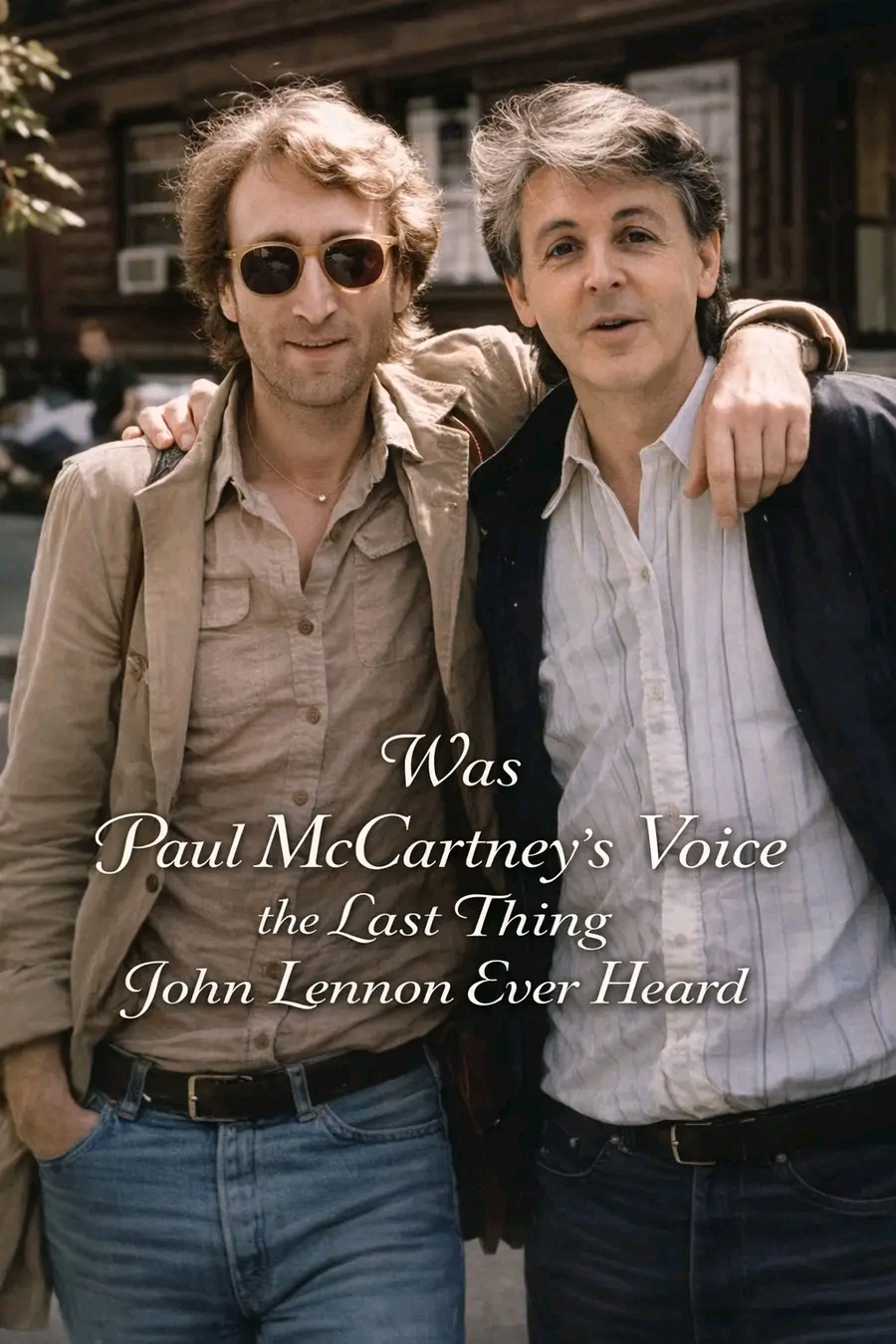
On the night of December 8, 1980, the world lost John Lennon in an act of violence that shocked millions. The chaos outside the The Dakota quickly gave way to urgency as he was rushed to Roosevelt Hospital. Doctors and nurses moved swiftly, doing everything they could in those critical moments. Yet amid the tension and heartbreak, there exists a detail so quiet, so strangely intimate, that it continues to echo through time.
According to accounts from that night, a Beatles song was playing in the background as Lennon was brought into the hospital. It was All My Loving — a bright, melodic piece from the early days of The Beatles, driven by youthful energy and unmistakable harmony. For many, it is simply a classic song. But in that moment, it may have become something else entirely.
Because the voice leading that song belonged to Paul McCartney.
The idea feels almost too poetic to accept without pause. Lennon and McCartney’s relationship was one of the most celebrated and complicated partnerships in music history. Together, they built a legacy that reshaped popular culture. Yet like many deep bonds, theirs was not without strain — marked by creative differences, personal distance, and years of public and private tension.
And still, beneath everything, there remained something unbroken.
In the late 1970s, the distance between them had begun to close. Conversations resumed. Old wounds softened. There was no grand reunion, no dramatic resolution — just the quiet, human process of reconnecting. It wasn’t perfect, but it was real. Which is why the possibility that Lennon’s final moments were accompanied by a song tied so closely to that shared past carries such emotional weight.
All My Loving is not a somber song. It is filled with motion, optimism, and a sense of longing wrapped in melody. Written in the early 1960s, it reflects a time when everything was just beginning — when Lennon and McCartney were not yet global icons, but young musicians chasing something bigger than themselves. Hearing it in a hospital room nearly two decades later creates a striking contrast: the beginning and the end, somehow meeting in a single moment.
Of course, no one can say with certainty what Lennon heard, or if he was even aware of the music around him. The story rests on witness accounts and has been shared and reshaped over the years. But its power does not come from factual precision alone. It comes from what it represents.
Because at its core, this is not just a story about death. It is a story about connection.
There is something deeply human in the idea that, at the edge of life, we are surrounded not by the noise of the world, but by something familiar. A song. A voice. A memory that reaches across time. For Lennon, whose life was defined by creativity, rebellion, and transformation, the possibility of ending in the presence of music feels almost fitting.
And if that music carried the voice of Paul McCartney — the friend, the rival, the co-creator of something extraordinary — then it becomes more than coincidence. It becomes something symbolic. A reminder that some bonds do not break, even when everything else changes.
That is why this story endures.
Not because it can be proven beyond doubt, but because it offers a kind of quiet comfort. It suggests that in his final moments, John Lennon was not defined solely by tragedy, but by the music that shaped his life and the connection that helped create it.
A melody from the past.
A voice that never fully left.
And a goodbye that, perhaps, was not entirely alone.