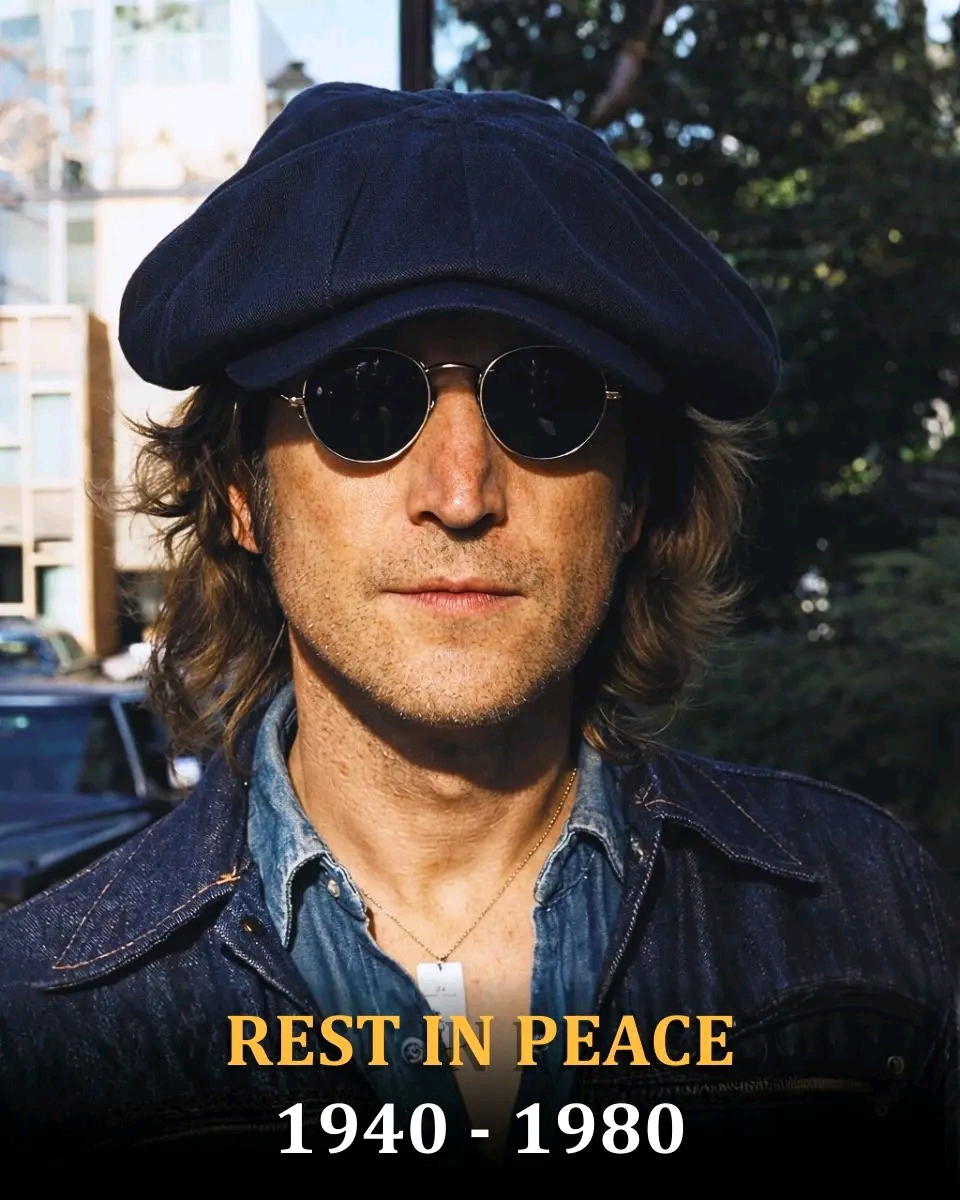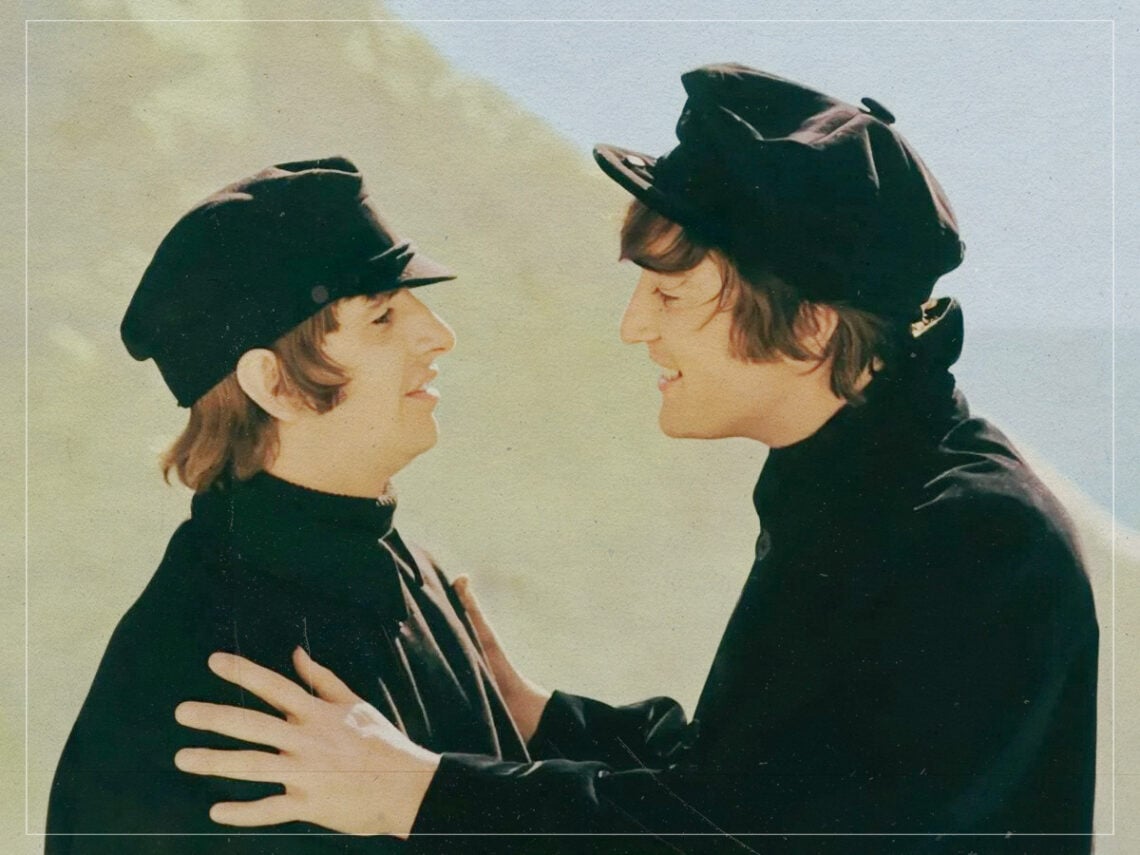
If most music fans were asked to pick their favourite song of the 1960s, they would most likely pick something from The Beatles catalogue.
With 12 studio albums to their name and a whole host of experimentation to go with it, there’s certainly no shortage of songs to pick from. Whether it was the bright-eyed blues rock of ‘Twist And Shout’ or the psychedelia of ‘Tomorrow Never Knows’, their entire discography defined the sound of the decade.
But it was that latter style that represented something more interesting for the band. It was them with their shackles completely off and feeling comfortable to embrace the open-mindedness of the regular people. Through their experimentalism, the band were no longer the most famous people on the planet, they were free-thinking hippies, like the rest of their peers, getting equally as excited by the sound of innovative music.
But this fascination wasn’t just a sonic sugar rush. No, this music that The Beatles were creating represented something far wider. It was about liberal political thinking, an openness to new sociological ideas and at the very least, a statement of style and fashion.
So by the late 1960s, their turn into psychedelic music allowed them to rub shoulders with some of their stylish peers, be it Jimi Hendrix, Pink Floyd or Cream. But it was a song from another artist that really caused a stir within the band and acted as somewhat of a creative north star for them. Procol Harum’s ‘Whiter Shade Of Pale’ found its way to the Fab Four and almost unanimously ripped through the band like an arrow of influence.
In fact, John Lennon got borderline giddy over the song, as Beatles biographer Ray Coleman vividly remembers. He said, “We spoke a little about the state of the music scene, and he (Lennon) said there was one ‘dope’ record which he couldn’t get off his mind. He couldn’t remember the title. All other pop music of that period was ‘crap’, one of his favourite words at that time.”
He continued, “Next day John phoned me,” Coleman continues, “I remembered after I’d gone what record it is that I can’t stop playing,’ he said. ‘It’s that dope song, Procol Harum’s ‘Whiter Shade Of Pale’. It’s the best song I’ve heard for a while. You play it when you take some acid and … whoooooooo.’”
It’s likely Lennon then took the record into the Beatles studio to play to his bandmates. Because later down the line when Ringo Starr was asked to name a standout song of the decade, he too opted for Procol Harum.
Starr said, “Personally, I always think of Procol Harum. Everyone else thinks of me and the Fabs, but I think of Procol Harum, because to me ‘A Whiter Shade of Pale’ is the ultimate ‘60s record.”
It wasn’t just Starr and Lennon either. The likes of Ozzy Osbourne and Keith Richards highlighted the psychedelic track as an all time classic, further proving its place within the pantheon hippie history.
Despite Lennon’s claims that it perfectly soundtracks an acid trip, the song isn’t outrightly experimental, like some of The Beatles’ LSD inspired music. Instead, it goes to show that despite the appetite of esoterica, music fans of the era were style focused on melody and perhaps more importantly, emotion.