The Voice That Asked the World to Imagine: The Legacy of John Lennon
Some voices entertain a generation. Others reshape the way that generation thinks, questions, and dreams. The voice of John Lennon belonged unmistakably to the latter.
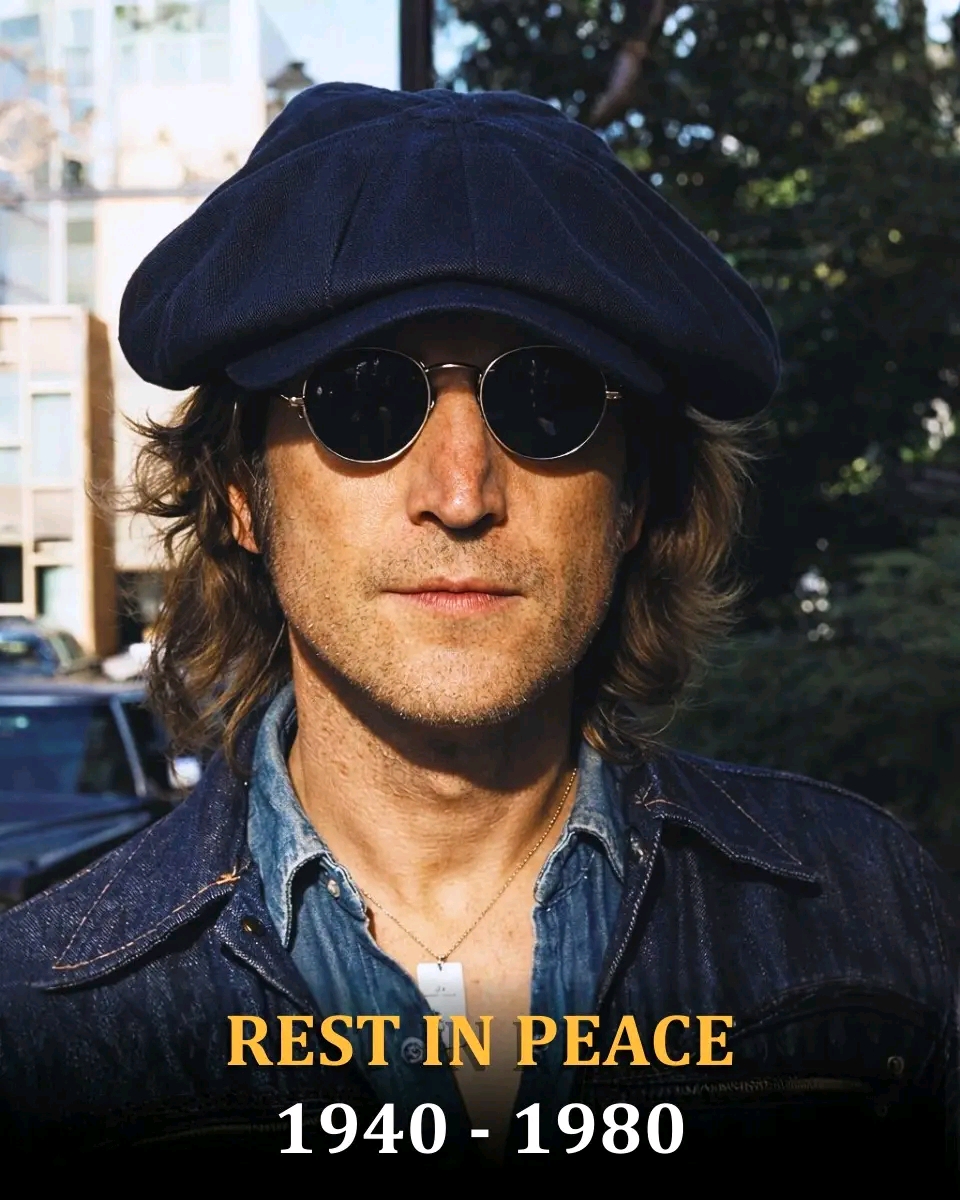
Born in Liverpool in 1940, Lennon entered the world as a sharp-witted, rebellious boy with a restless curiosity about life. Long before global fame arrived, that curiosity already defined him. Music was not just a performance for Lennon—it was a way of confronting the world, asking difficult questions, and searching for truth.
From Liverpool Clubs to Global Phenomenon
When Lennon co-founded The Beatles alongside Paul McCartney, George Harrison, and Ringo Starr, few could have predicted the cultural earthquake that would follow. The band did not merely dominate the charts—they transformed popular music and youth culture across the world.
In the early days, Lennon’s songwriting carried playful romance and youthful energy. Songs about holding hands and simple love captured the imagination of millions. Yet even then, there was a hint that Lennon’s artistic journey would eventually move beyond conventional pop themes.
Fame did not silence his deeper questions. Instead, it amplified them.
A Mind That Refused to Stay Quiet
As the 1960s unfolded, Lennon’s music and public persona evolved dramatically. While Beatlemania swept the globe, Lennon began using his voice to challenge political and social realities.
The Vietnam War, civil rights struggles, and a rapidly changing global culture shaped his outlook. Lennon began writing songs that were not only melodic but also philosophical and confrontational. Music became his platform for examining power, peace, identity, and human responsibility.
This transformation became even more visible after the breakup of The Beatles in 1970. Freed from the band’s collective identity, Lennon pursued an intensely personal solo career that revealed his vulnerabilities as much as his convictions.
The Radical Honesty of a Public Life
One of Lennon’s most distinctive qualities was his willingness to expose his own flaws. While many celebrities carefully crafted perfect public images, Lennon often did the opposite.
He spoke openly about his anger, his mistakes, and his regrets—particularly regarding his early years as a father and partner. In interviews and music alike, he admitted that he was still learning how to become a better person.
That kind of public self-reflection was rare, especially for someone at the center of global fame. For Lennon, growth mattered more than image. He was less interested in appearing flawless than in becoming more honest.
“Imagine” and the Power of Possibility
Among Lennon’s many songs, one has become a universal anthem of hope: Imagine.
Released in 1971, the song did not demand change. Instead, it asked listeners to consider what the world might look like if humanity chose cooperation over division. Its gentle piano melody carried an idea both simple and radical—peace begins with imagination.
The song’s endurance across decades speaks to its emotional power. It remains a soundtrack for protests, memorials, and moments of quiet reflection around the world.
A Softer Chapter
By the late 1970s, Lennon had stepped back from public life to focus on family. Fatherhood, particularly his relationship with his son Sean, seemed to reshape his priorities.
When he returned to music in 1980 with the album Double Fantasy, listeners noticed something different. The sharpness that once defined Lennon’s voice was still there, but it had softened. There was warmth, reflection, and a sense of maturity that only time could produce.
It felt like the beginning of a new chapter.
A Life Cut Short
That chapter ended tragically on December 8, 1980, outside The Dakota in New York City. Lennon was shot and killed, shocking fans across the globe.
The response was immediate and deeply emotional. Vigils formed in cities around the world. Radios played his music throughout the night. People who had never met Lennon gathered together, united by the sense that they had grown alongside his voice and ideas.
A Legacy That Lives in Conversation
More than four decades later, Lennon’s legacy cannot be captured by statues or monuments alone. His influence lives in conversations—about peace, creativity, honesty, and the responsibility of artists to challenge the world around them.
He encouraged people to question authority, admit mistakes, and believe that change begins with imagination.
When John Lennon asked listeners to imagine a world at peace, he did not pretend to have all the answers. Instead, he offered something more powerful: the courage to ask the question.
Decades later, the world is still imagining. And perhaps that enduring act of hope is the greatest gift he left behind. 🎶✨