Cynthia Lennon’s Final Years: Peace with the Past and the Memory of John Lennon
When Cynthia Lennon passed away on April 1, 2015, many longtime fans of The Beatles quietly wondered whether she still spoke about her famous former husband, John Lennon, during the final years of her life. For decades Cynthia had been an important but often overlooked figure in the story of the Beatles. Yet those who knew her later in life say her perspective on the past had become calm, reflective, and largely free of bitterness.
A Life Beyond the Beatles
By the early 2000s, Cynthia had already shared most of her story publicly. Her 2005 memoir, John, offered one of the most personal accounts of life beside John Lennon before and during the explosive rise of the Beatles in the 1960s. In the book, she described their youthful romance, their marriage, and the emotional toll of watching global fame transform both their lives.
After publishing the memoir, Cynthia gradually stepped away from public discussions about the past. Rather than continuing to revisit the dramatic years of Beatlemania, she chose a quieter path. She settled in the Mediterranean on the island of Mallorca, where she lived a more private life surrounded by family and close friends.
People close to her later said she rarely brought up John Lennon in everyday conversation. Not because she wanted to erase the past, but because she had already made peace with it.
A Complicated Chapter
Cynthia and John’s relationship began long before worldwide fame arrived. They met as art students at Liverpool College of Art in the late 1950s. Their relationship eventually led to marriage in 1962, just as the Beatles were on the brink of international success.
The years that followed were complicated. As John Lennon’s fame grew, the pressures of constant touring, media attention, and changing personal relationships placed immense strain on their marriage. Their relationship ultimately ended in 1968 amid the public scrutiny that surrounded John’s growing relationship with Yoko Ono.
For Cynthia, the experience was deeply painful, especially because the breakup unfolded during one of the most intense periods of media attention in modern pop culture.
Yet those who spoke with her later in life say she never tried to retell the story with anger. She acknowledged the hurt but did not allow it to define her life.
Choosing Acceptance
In interviews during her later years, Cynthia often spoke about acceptance rather than resentment. She recognized that her marriage to John had been a meaningful part of her life, even if it had ended painfully.
Rather than focusing on the dramatic headlines of the 1960s, she looked back on the early years—the time when John was still an unknown musician, and their relationship was simply that of two young people building a future together.
Friends said she preferred to remember those quieter beginnings rather than the chaos that followed.
Family at the Center of Her Life
In the final chapter of her life, Cynthia’s world revolved primarily around her son, Julian Lennon. Julian, born in 1963, remained a central figure in her life, and their close relationship became one of the most important constants through the decades.
By the time she was living in Mallorca, Cynthia had built a life defined less by the Beatles’ legacy and more by family, friendships, and personal peace.
When she died in 2015 after a short battle with Cancer, Julian was by her side.
A Quiet Resolution
Cynthia Lennon never denied the significance of John Lennon in her life. Their story was deeply intertwined with the early history of the Beatles, and it shaped both their lives in ways that could never be erased.
But in her final years, Cynthia seemed to reach a place of quiet resolution. She did not dwell on regret, nor did she attempt to rewrite the past. Instead, she treated that chapter as one part of a long and complex life.
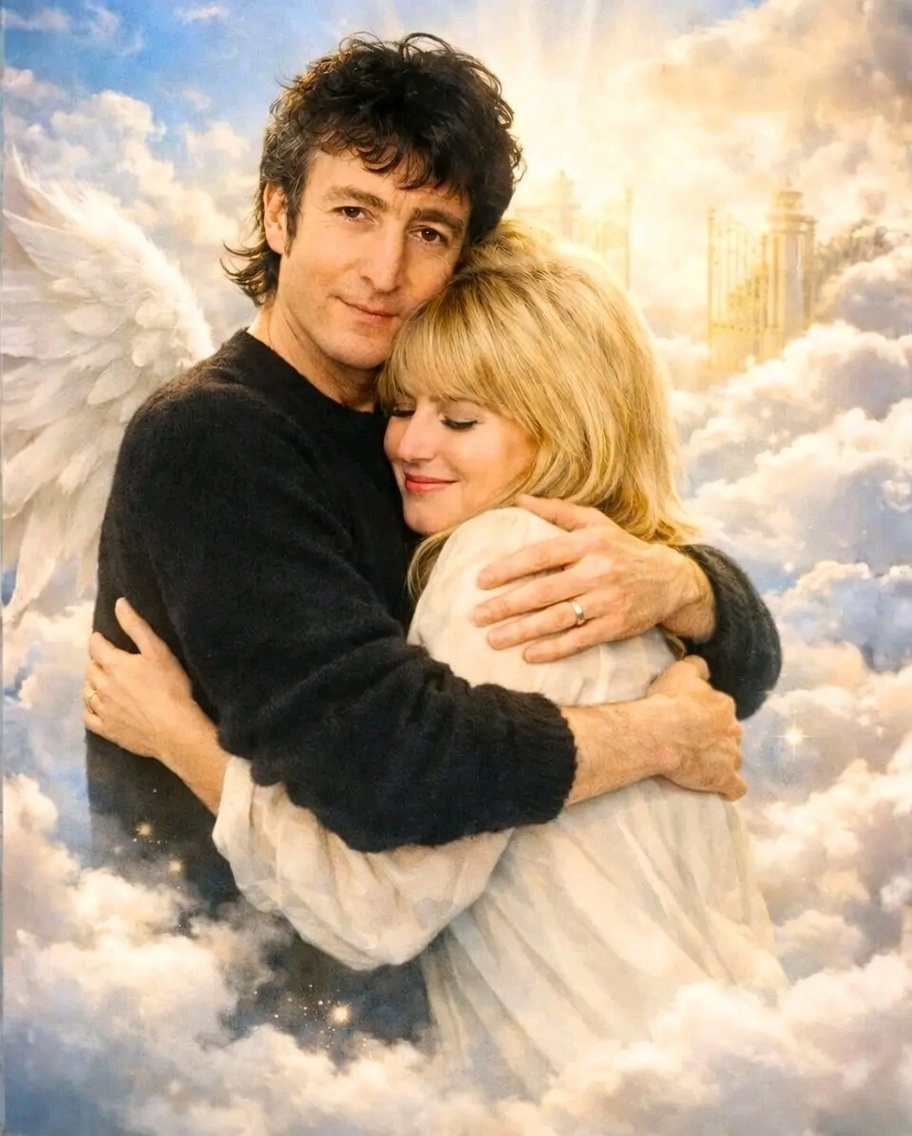
In the end, John Lennon remained a memory—an important one—but not the defining force of her final years. Cynthia had moved forward, carrying the past with understanding rather than resentment, and leaving behind a legacy of grace, resilience, and acceptance.