How Hey Jude Became One of the Most Loved Songs Ever
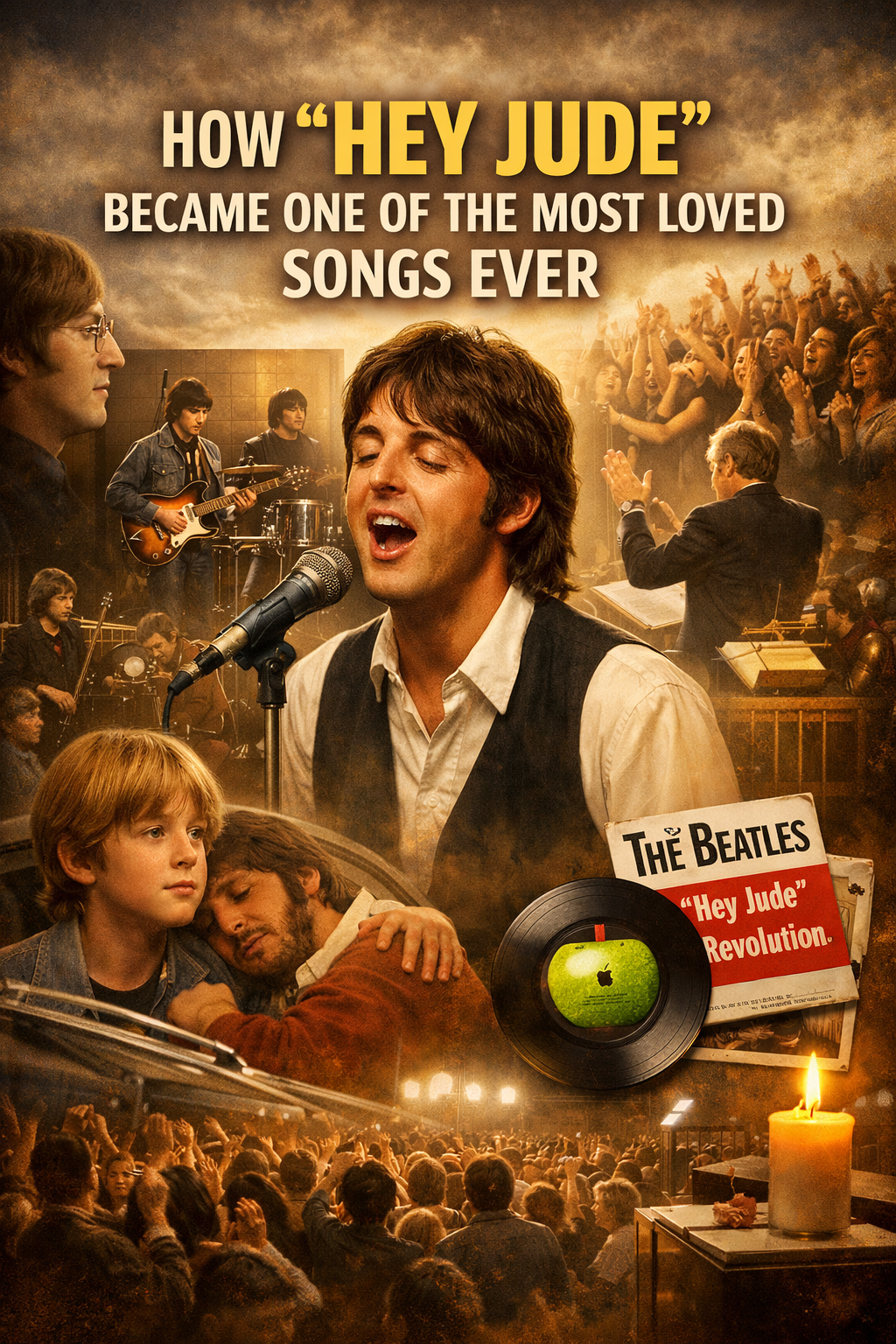
In the summer of 1968, a simple idea turned into one of the most powerful songs ever recorded. The story of Hey Jude began during a difficult moment in the life of John Lennon and his young son, Julian Lennon. As John’s marriage to Cynthia Lennon was falling apart, his bandmate and longtime friend Paul McCartney decided to visit Julian to comfort him during the painful separation.
While driving to see the young boy, Paul began humming a melody. The words came naturally: “Hey Jules, don’t make it bad…” It was a gentle message meant to reassure Julian that things would eventually get better. Later, Paul changed the name from “Jules” to “Jude” because he felt it sounded stronger and flowed better with the music. What started as a personal message soon grew into something far bigger.
When The Beatles recorded the song, they created something unusually bold. At over seven minutes long, Hey Jude was far longer than most radio singles at the time. Many people doubted that such a long track could become a hit. But once the song was released in August 1968, listeners immediately connected with its emotional warmth and uplifting message.
One of the most unforgettable parts of the song is its legendary ending. After the final verse, the music slowly builds into a powerful sing-along chorus of “Na-na-na, na-na-na-na.” For more than four minutes, voices and instruments rise together, creating a moment that feels less like a performance and more like a shared celebration. It invited listeners everywhere to join in, turning the song into a communal experience.
The recording itself was also groundbreaking. The band gathered a large orchestra to perform the finale, and during the session Paul encouraged the musicians to clap and sing along. Some initially resisted, feeling it was unusual for classical players to participate like that, but the result became one of the most memorable endings in music history.
When the song was released, its success was immediate. Hey Jude quickly climbed to the top of the charts around the world and became one of the best-selling singles of all time. In the United States, it spent nine weeks at number one, making it the longest-running chart-topper for The Beatles.
But the song’s popularity goes beyond sales or chart records. What makes Hey Jude truly timeless is its message. The lyrics encourage someone facing pain to open their heart and let the world in. It speaks about resilience, hope, and the belief that things can improve even during difficult times. Because of that, people across generations continue to find comfort in it.
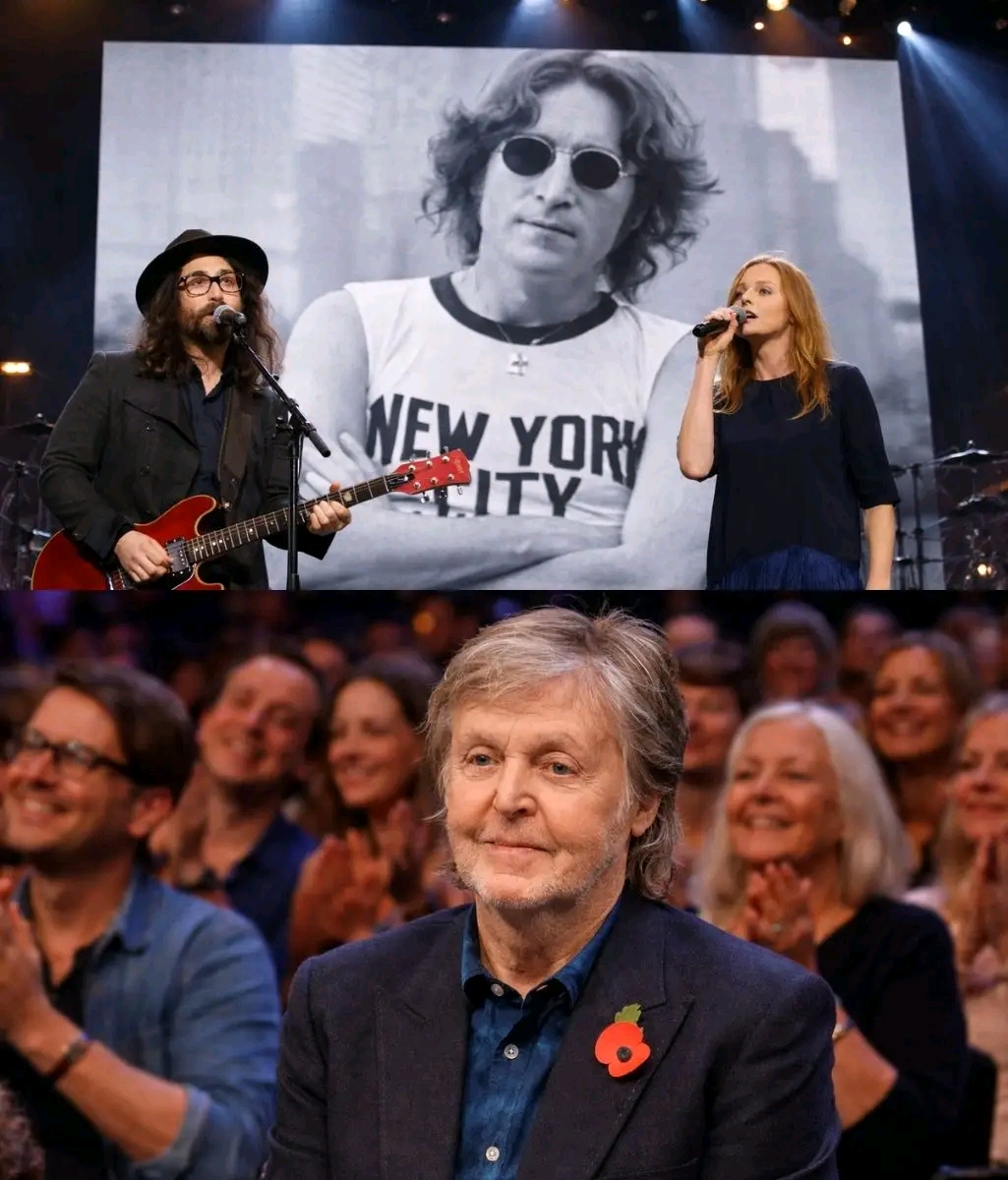
Over the decades, Hey Jude has been sung in stadiums, concerts, and gatherings around the world. When Paul McCartney performs it live, thousands of voices often join him during the famous chorus. In those moments, the audience becomes part of the song, just as it was meant to be.
What began as a quiet attempt to comfort a child eventually became something universal. More than half a century later, Hey Jude remains not just one of the greatest songs ever written, but also a reminder that music has the power to bring people together, heal wounds, and turn personal moments into shared memories.