Let It Be: The Hidden Farewell Inside The Beatles’ Final Album
When Paul McCartney first imagined the project that would eventually become Let It Be, his intention was simple: bring The Beatles back to their roots. The band had spent years crafting complex studio masterpieces like Sgt. Pepper’s Lonely Hearts Club Band and Abbey Road, but McCartney believed that stripping everything down—recording live, with minimal production—might restore the chemistry that once defined them.
Instead, the sessions exposed just how fragile the group had become.
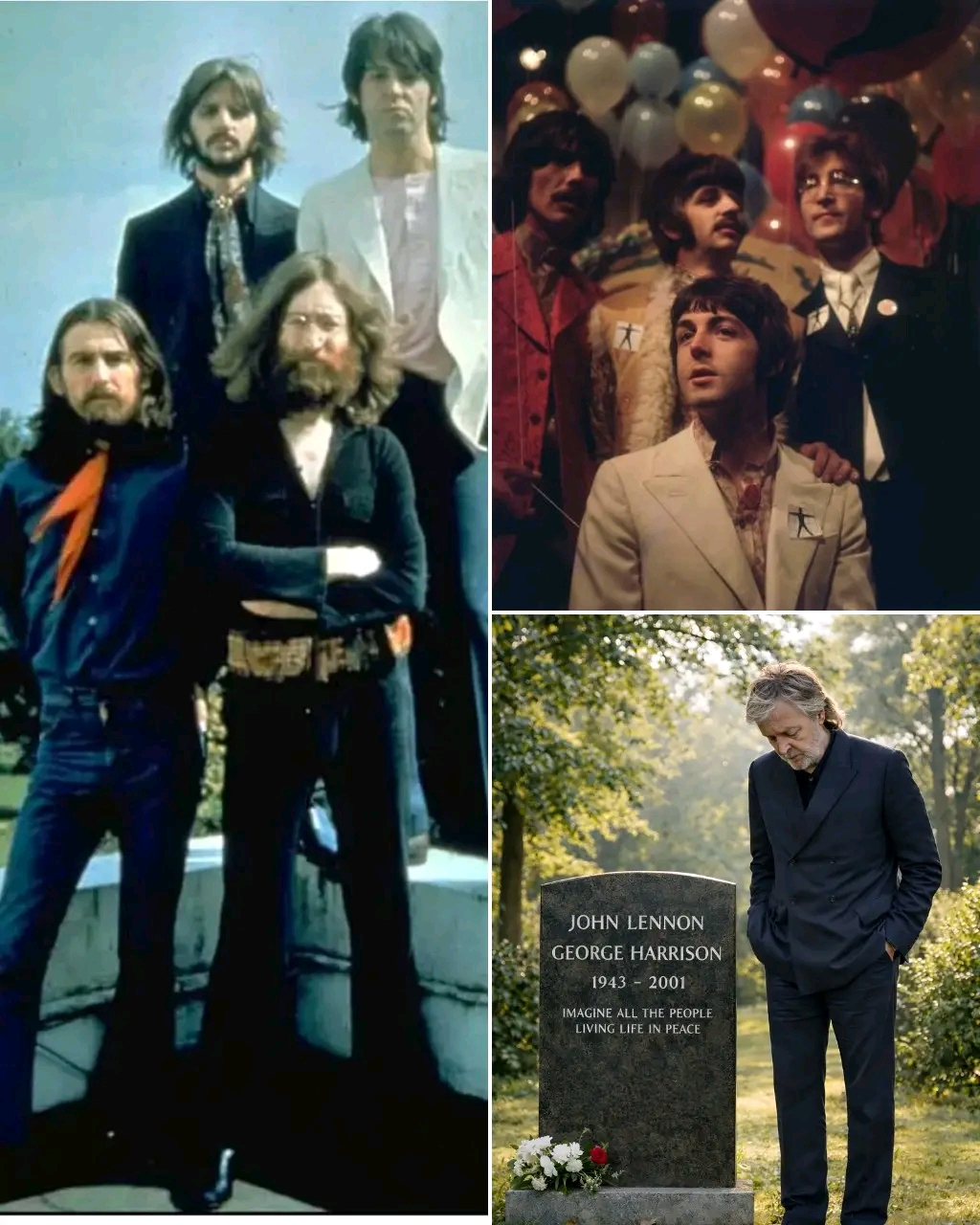
By early 1969, tensions among the band members were already running high. Creative disagreements, business conflicts, and personal changes had created deep divisions between McCartney, John Lennon, George Harrison, and Ringo Starr. What was meant to be a back-to-basics recording experiment slowly turned into an uncomfortable documentation of a band struggling to stay together.
The album’s track order now feels almost symbolic when viewed in hindsight. Songs like the title track, Let It Be, carry a tone of acceptance and quiet resignation, while others reveal the emotional distance forming within the group. Rather than sounding like a triumphant closing chapter, the album plays more like a diary of a band unraveling in real time.
But the biggest conflict came after the music had already been recorded.
When producer Phil Spector was brought in to finish the album, he dramatically changed the sound of several tracks. His most controversial decision involved McCartney’s ballad The Long and Winding Road. Spector added sweeping orchestral arrangements and a choir—transforming the simple, emotional song into a grand, heavily produced piece.
McCartney was furious.
He had envisioned the song as intimate and stripped down, perfectly aligned with the album’s original concept. When he heard the final version, he felt that his work had been altered without permission. In fact, the dispute over Spector’s changes became one of the major reasons McCartney cited when he filed legal action to dissolve The Beatles in 1970.
For many fans and historians, that moment changed the way the album is understood.
Released in May 1970—after the band had effectively already broken up—Let It Be no longer sounded like a hopeful return to the beginning. Instead, it felt like a farewell that no one had openly planned. The rooftop concert, the unfinished conversations between songs, and the conflicting production styles all seem to capture the final days of the group as they happened.
Looking back today, the album almost reads like a documentary of the band’s final moments together. What McCartney once hoped would save the Beatles instead became the clearest record of their collapse.
And that may be why Let It Be remains so powerful. Beneath its songs lies a story not just of music—but of four friends slowly realizing that the band that changed the world could no longer hold itself together.