Paul McCartney Recalls Yoko Ono’s Surprising Comment About John Lennon After 1980 Tragedy
In the years following the shocking death of John Lennon in December 1980, countless stories and memories surfaced from those who knew him best. But one conversation — remembered by his longtime bandmate Paul McCartney — has recently stirred renewed discussion among fans about Lennon’s private life.
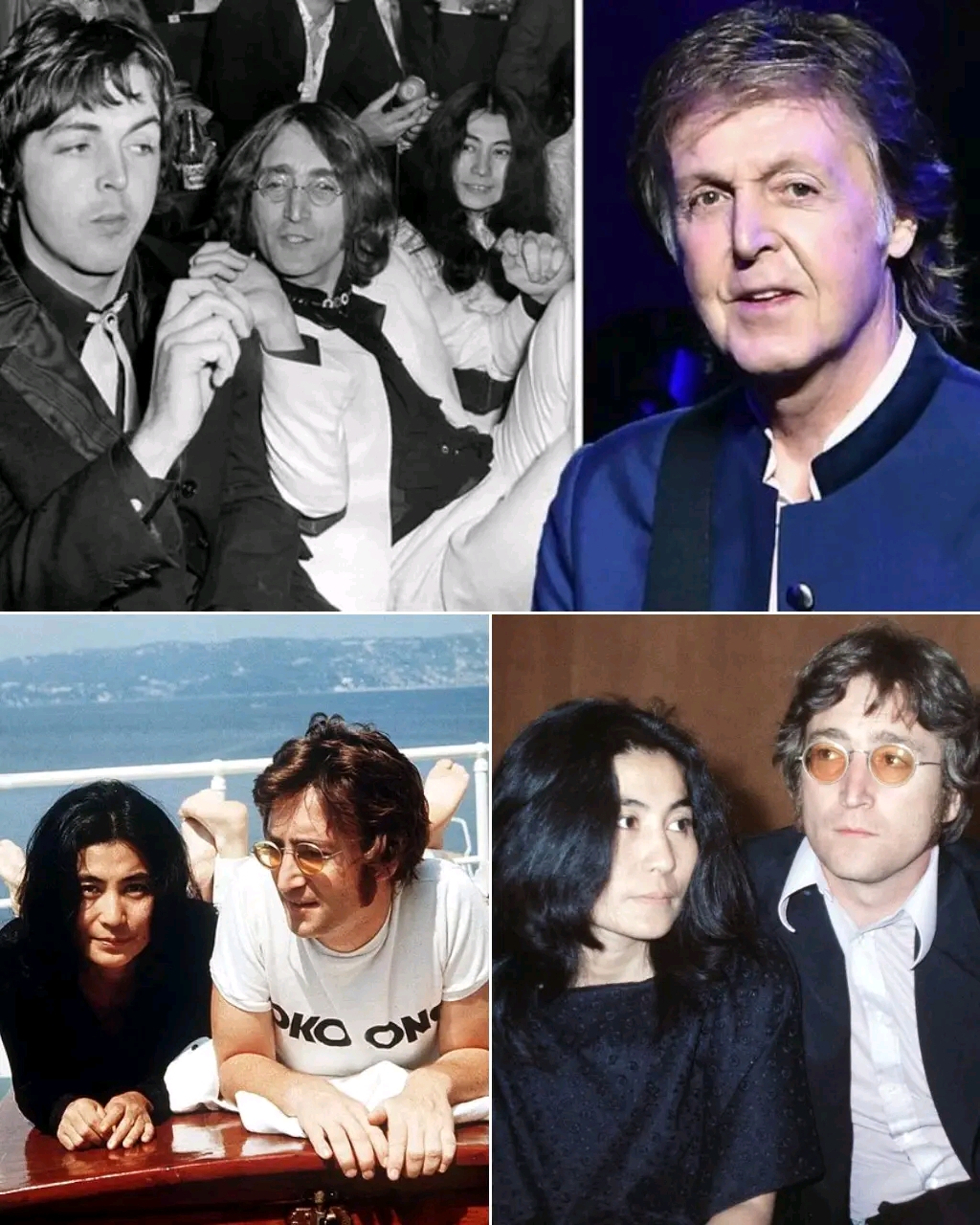
According to McCartney, not long after Lennon was killed outside the The Dakota in New York City, he received a deeply emotional phone call from Lennon’s widow, Yoko Ono. Both were still processing the devastating loss. During the conversation, Ono reportedly shared a surprising thought that caught McCartney off guard.
“You know… I think John might have been gay,” Ono allegedly told him.
McCartney later recalled being stunned by the comment. At the time, he said, the remark seemed unexpected and difficult to fully understand, especially given how complex Lennon’s personality had always been. Rather than dismissing the idea outright, McCartney responded thoughtfully, reflecting on the many years he had spent working and traveling with Lennon during their time together in The Beatles.
McCartney reportedly told Ono that if Lennon had been struggling with questions about his identity, he believed Lennon would eventually have spoken about it openly. Throughout their years together — writing songs, touring the world, and experiencing the intense fame that followed the band — McCartney said he never saw clear signs suggesting Lennon was hiding that part of himself.
Still, he acknowledged that Lennon was an incredibly complex and introspective person. Known for his openness in later interviews about personal struggles, relationships, and self-discovery, Lennon often explored identity and vulnerability in his music and public statements. Songs like Jealous Guy and the deeply personal album John Lennon/Plastic Ono Band revealed an artist constantly examining his emotions and sense of self.
For many fans, the story illustrates more about the emotional confusion and grief that followed Lennon’s death than it does about definitive answers regarding his private life. The tragedy of Lennon’s murder left those closest to him searching for meaning, revisiting memories, and trying to understand the man behind the global icon.
Discussions about Lennon’s identity have appeared periodically over the decades, often fueled by anecdotes, interviews, or interpretations of his lyrics. However, historians and close collaborators generally agree that Lennon’s life was marked by complexity — shaped by fame, artistic ambition, personal growth, and the intense scrutiny that came with being part of the most famous band in music history.
Today, more than four decades after his death, Lennon’s legacy continues to inspire debate, admiration, and reflection. Whether through the timeless music he created with The Beatles or his outspoken advocacy for peace with Yoko Ono, his story remains one of the most compelling in modern cultural history.
And as McCartney’s recollection reminds us, even the people who knew Lennon best are still uncovering new layers of the man they once called a friend.