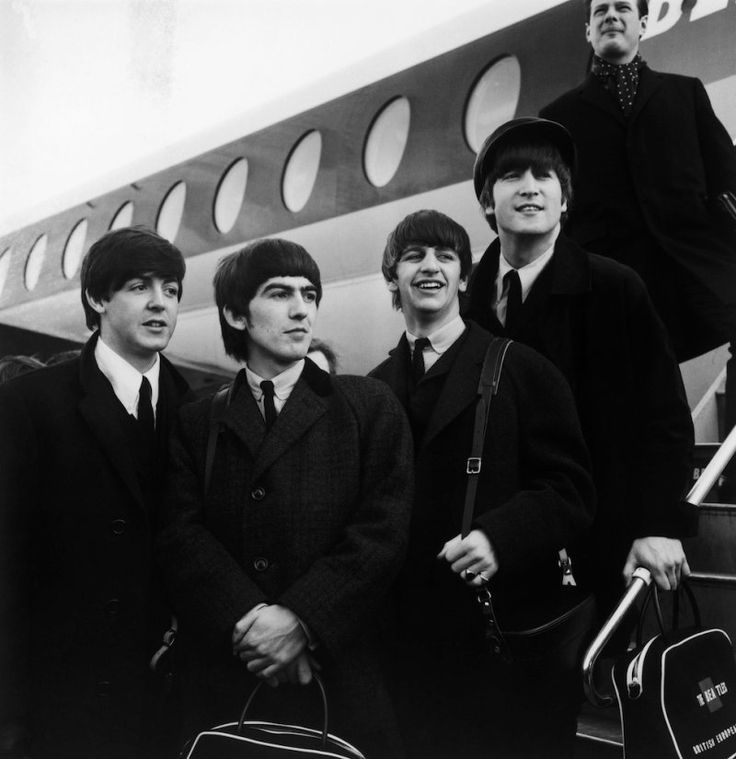
It is almost impossible to measure the full impact of The Beatles when they burst onto the global stage in the early 1960s. They didn’t just produce hit songs—they ignited a cultural revolution that reshaped music, youth identity, and popular culture across continents.
By 1965, the phenomenon known as Beatlemania had reached a fever pitch, especially in the United States. Their breakthrough single, I Want to Hold Your Hand, became a global sensation, selling over 12 million copies and signaling a shift in the music industry toward youth-driven demand. Almost overnight, The Beatles became the defining sound of a generation.
But their influence extended far beyond commercial success. Through albums like Rubber Soul and Revolver, the band redefined what popular music could be. They moved away from simple love songs and embraced deeper themes, experimental sounds, and innovative studio techniques. Their work helped transform the album from a collection of singles into a cohesive artistic statement—an approach that continues to shape music today.
In the United States, their dominance was undeniable. With 20 number-one hits on the Billboard Hot 100, The Beatles didn’t just top the charts—they owned them. Week after week, their songs captured the attention of millions, creating a shared cultural experience that transcended age and geography.
Their live performances were equally groundbreaking. The band’s 1964 American tour introduced audiences to an energy never seen before, with fans screaming so loudly that the music was often barely audible. This frenzy reached a historic peak during their 1965 performance at Shea Stadium in New York, where over 55,000 fans gathered—setting a new standard for live concerts and proving that rock music had become a massive cultural force.
Yet perhaps their greatest legacy lies beyond statistics. The Beatles influenced fashion, language, and attitudes, becoming symbols of a rapidly changing world. They played a key role in shaping the 1960s counterculture, encouraging creativity, individuality, and new ways of thinking. Their reach extended into art, film, and even social movements, helping define an era of transformation.
By the time they disbanded in 1970, The Beatles had already laid the foundation for modern music. Every rock and pop artist who followed inherited something from their innovation—whether in songwriting, recording, or artistic vision. Decades later, their songs remain as powerful and relevant as ever.
From four young men in Liverpool to global icons, The Beatles didn’t just change music—they changed the world.