WHEN Paul McCartney SPEAKS FOR THE PEOPLE — BUT THE TICKET PRICES TELL A DIFFERENT STORY
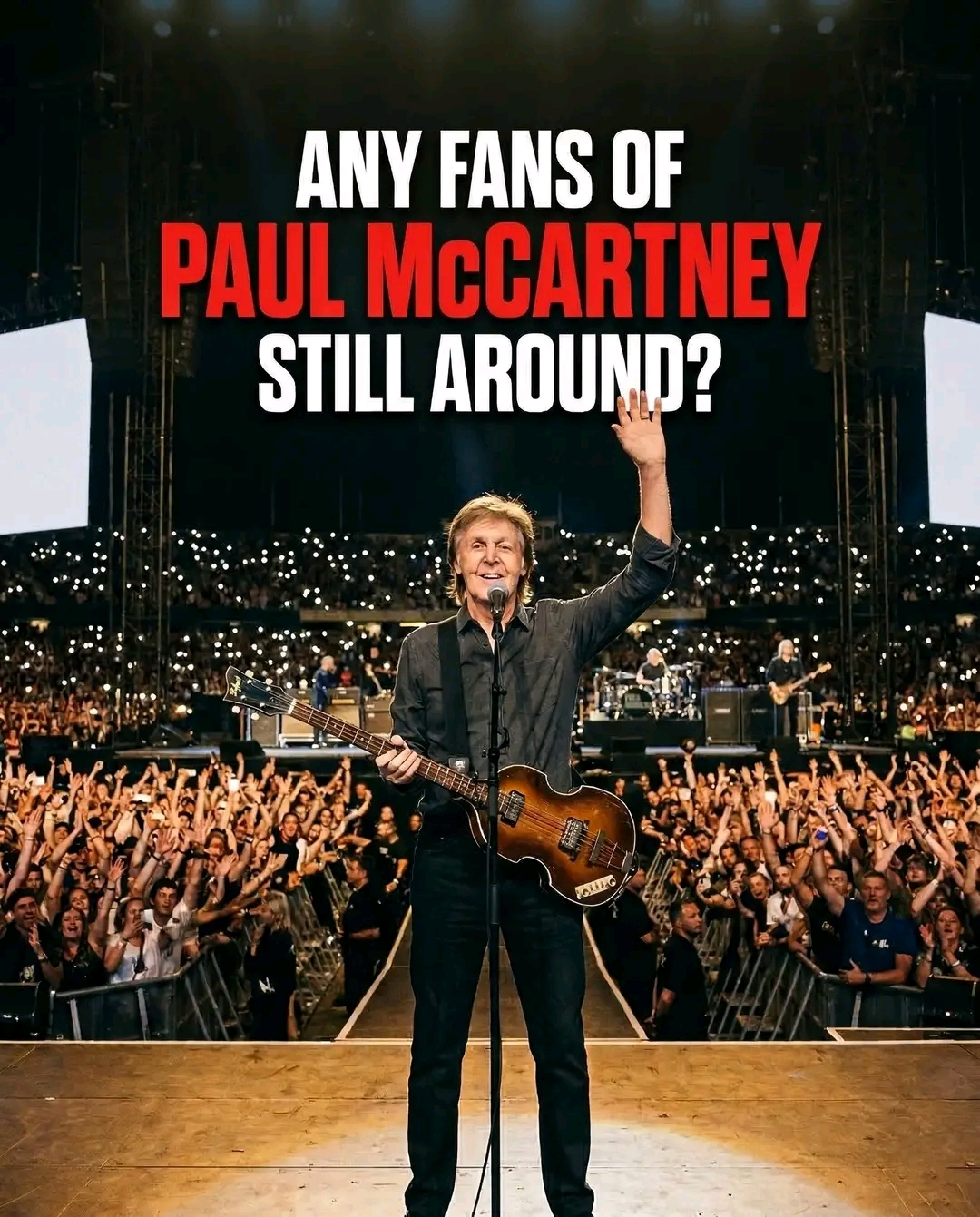
Paul McCartney’s latest tour is doing exactly what you’d expect from a global icon: filling arenas, igniting nostalgia, and reminding audiences why his music has endured for generations. But beyond the music, a different kind of conversation is gaining momentum — one that’s less about melodies and more about meaning.
Because this time, it’s not just the songs making headlines. It’s the price of experiencing them.
Across social media, fans are reacting to reports of ticket prices climbing into the thousands for premium seats. For many, especially longtime listeners who grew up with McCartney’s music, the numbers feel jarring — even disheartening. His songs have long carried themes of unity, love, and everyday life. They felt accessible. Personal. Shared.
Now, some are asking: who gets to be part of that experience today?
The tension isn’t new in the world of live music. Modern touring has become an enormous operation — involving massive crews, advanced stage production, logistics across continents, and rising operational costs. Industry experts often point out that ticket pricing reflects this reality, alongside demand that far exceeds supply. When an artist of McCartney’s stature tours, the market responds accordingly.
Still, that explanation doesn’t fully quiet the emotional response from fans.
For many, this isn’t just about economics — it’s about identity. McCartney, as a former member of The Beatles, helped shape a cultural moment that felt deeply connected to ordinary people. His music wasn’t just heard; it was lived. It became the soundtrack to everyday moments, struggles, and joys.
That legacy carries expectations.
So when attending a concert becomes financially out of reach for a large portion of his audience, it creates a perceived disconnect — not necessarily between the artist and the fans, but between what the music has always represented and what the live experience now demands.
Of course, not everyone agrees with the criticism.
Many fans defend McCartney, arguing that he doesn’t directly control resale markets, dynamic pricing systems, or the broader economics of global touring. Others point out that demand naturally drives prices upward — especially for an artist whose career spans decades and whose appearances are increasingly rare.
To them, the value of seeing a living legend perform is simply worth it.
But the debate continues to grow because it touches on something deeper than one tour or one artist. It reflects a broader shift in live entertainment — where concerts, once seen as communal and accessible, are increasingly becoming premium experiences.
And that shift raises a difficult question:
When the cost of entry rises high enough, does the meaning of the experience change too?
For Paul McCartney, the music remains timeless. The voice, the songs, the history — none of that has faded. But around that legacy, the world has changed. And with it, the way people access — or don’t access — the moments that once felt within reach.
Because in the end, this isn’t just a story about ticket prices.
It’s about the space between what music represents… and who gets to be there to feel it.