The Quiet Return of The Beatles: The Story Behind Real Love
On March 4, 1996, something unusual happened in the world of music. A new song by The Beatles appeared on the radio—not as a grand comeback or a commercial spectacle, but as something far more intimate. The song was Real Love, and it felt less like a release and more like a quiet return.
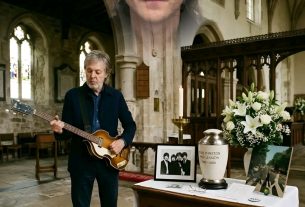
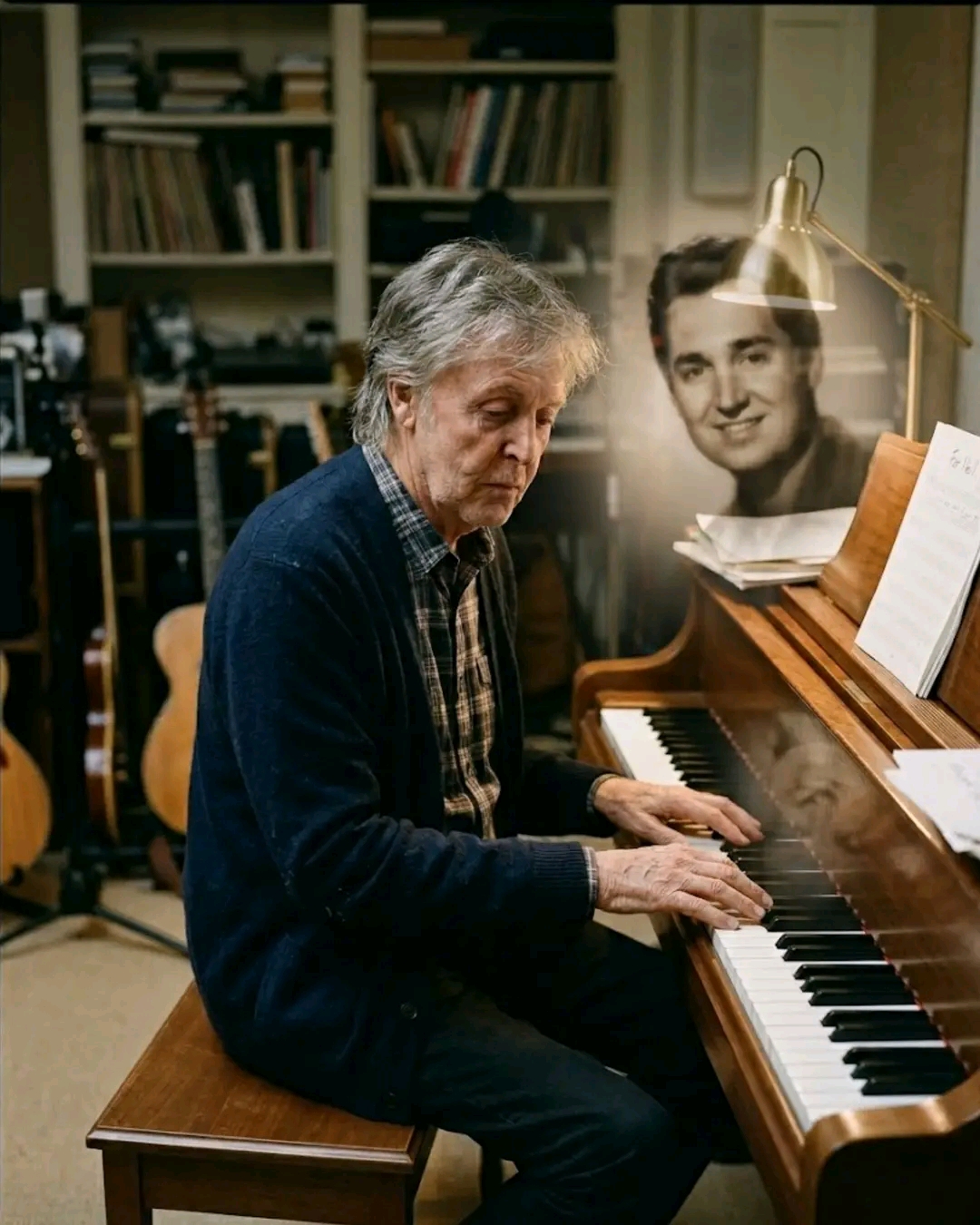
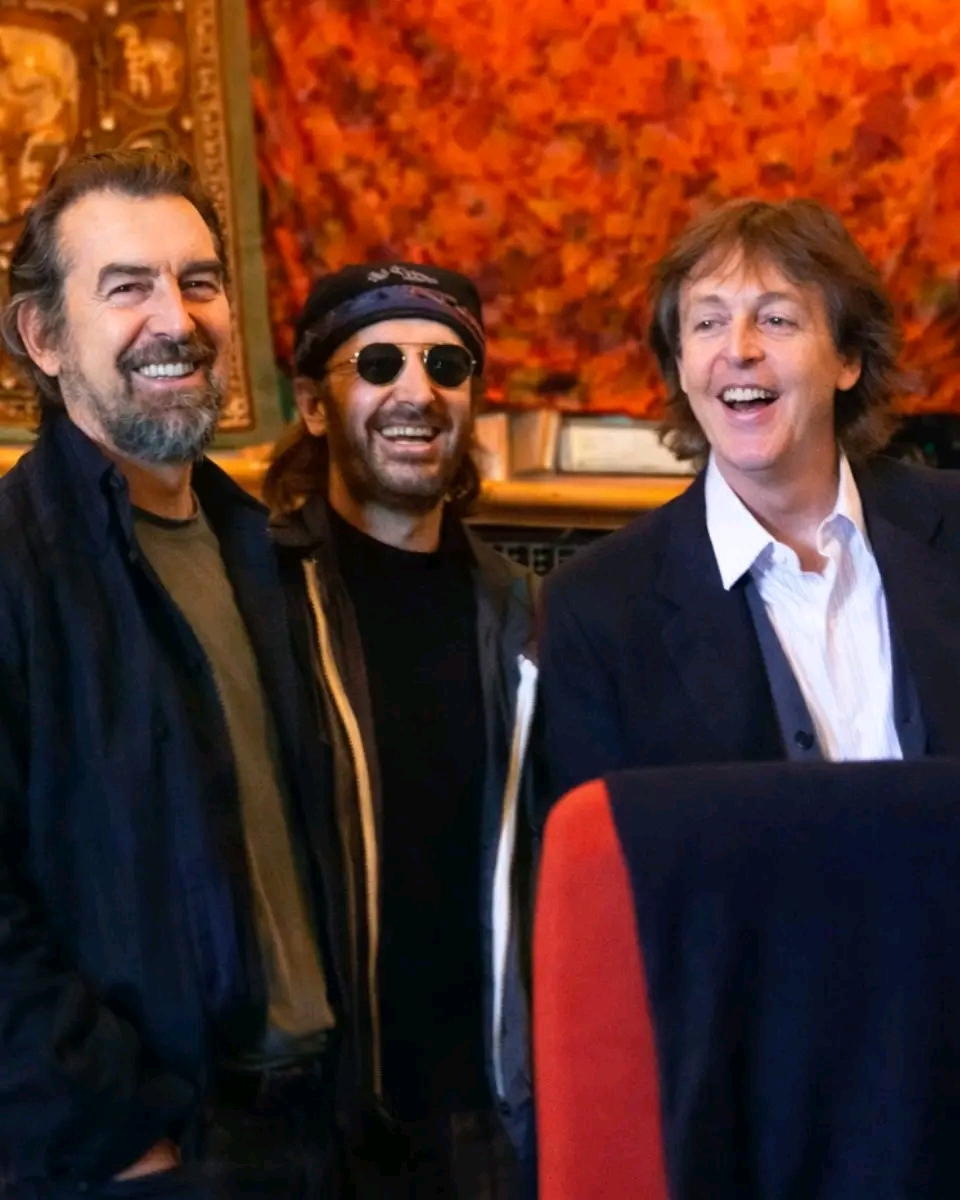
At its heart was the voice of John Lennon—fragile, honest, and deeply personal. Originally recorded as a simple home demo years earlier, his vocal carried a rawness that time had not diminished. When Paul McCartney, George Harrison, and Ringo Starr came together in 1995 to complete the track, their goal was not to recreate the past, but to respond to it.
The sessions, held at Paul’s studio in Sussex, were shaped by a sense of care and restraint. Instead of overpowering the original recording, they built around it—gently adding layers of guitar, harmony, and rhythm. They treated John’s voice not as something distant or archival, but as something still present in the room. The process became less about production and more about listening.
There was a quiet complexity in those moments. Laughter and familiarity returned in flashes, echoes of a bond that had once defined an era. Yet, there was also an undeniable absence. Hearing John again was not surreal—it was deeply real. His voice filled the space in a way that was both comforting and emotional, like a memory suddenly brought to life.
Ringo Starr would later describe the experience as natural, even joyful. But beneath that simplicity lay something deeper. The emotion surfaced in pauses between takes, in the silence where nothing needed to be said. It was in those quiet spaces that the weight of what they were doing truly settled in.
When Real Love was finally released, it carried more than just melody. For listeners, it became a final connection to something that had once felt limitless. The sound of The Beatles had shaped generations, and now, it returned one last time—not louder, but softer, and perhaps more meaningful because of it.
For Paul, George, and Ringo, however, the song held a different significance. It was not about legacy or closure in the traditional sense. It was about recognition—of friendship, of loss, and of everything they had shared. There was no need for a grand finale. This was something quieter, more human.
Ringo would later put it simply: this was the end. The last moment in which The Beatles could exist as a group in any real way.
And yet, the ending did not feel empty.
Instead, Real Love became a testament to what remained. It showed that even after loss, even after silence, something can still endure. Memory can still find a voice. Connection can still take shape.
In the end, the song was not just about looking back. It was about carrying something forward—gently, honestly, and without force.
Because some things do not truly disappear.
They simply find new ways to be heard.