When The Beatles ended, the world heard the noise — lawsuits, headlines, broken friendships, the shock of the greatest band in history falling apart. What the world didn’t hear was the silence that followed for Paul McCartney.
In the trailer for the upcoming Prime Video documentary Man on the Run, Sir Paul finally gives voice to that quiet aftermath. Not the public drama, but the private collapse. “I fell very depressed,” he says, without drama or exaggeration. No mythology. Just truth. For a man who had spent nearly a decade moving at the speed of global adoration, the sudden absence of the band wasn’t freedom — it was disorientation. The cheers stopped. The structure vanished. The identity he’d shared with John, George, and Ringo since his early twenties was suddenly gone. And with it, a sense of certainty.
Those days away from the spotlight were not filled with triumphant reinvention. They were slow, heavy, and confusing. Paul retreated to a farm in Scotland, unsure if he even wanted to make music anymore. The press painted him as the villain of the breakup. Fans questioned his future. Inside, he questioned himself. For the first time, the man who wrote melodies that lifted millions struggled to get out of bed. Depression, especially in that era, was not something a rock god was expected to admit — let alone survive publicly.
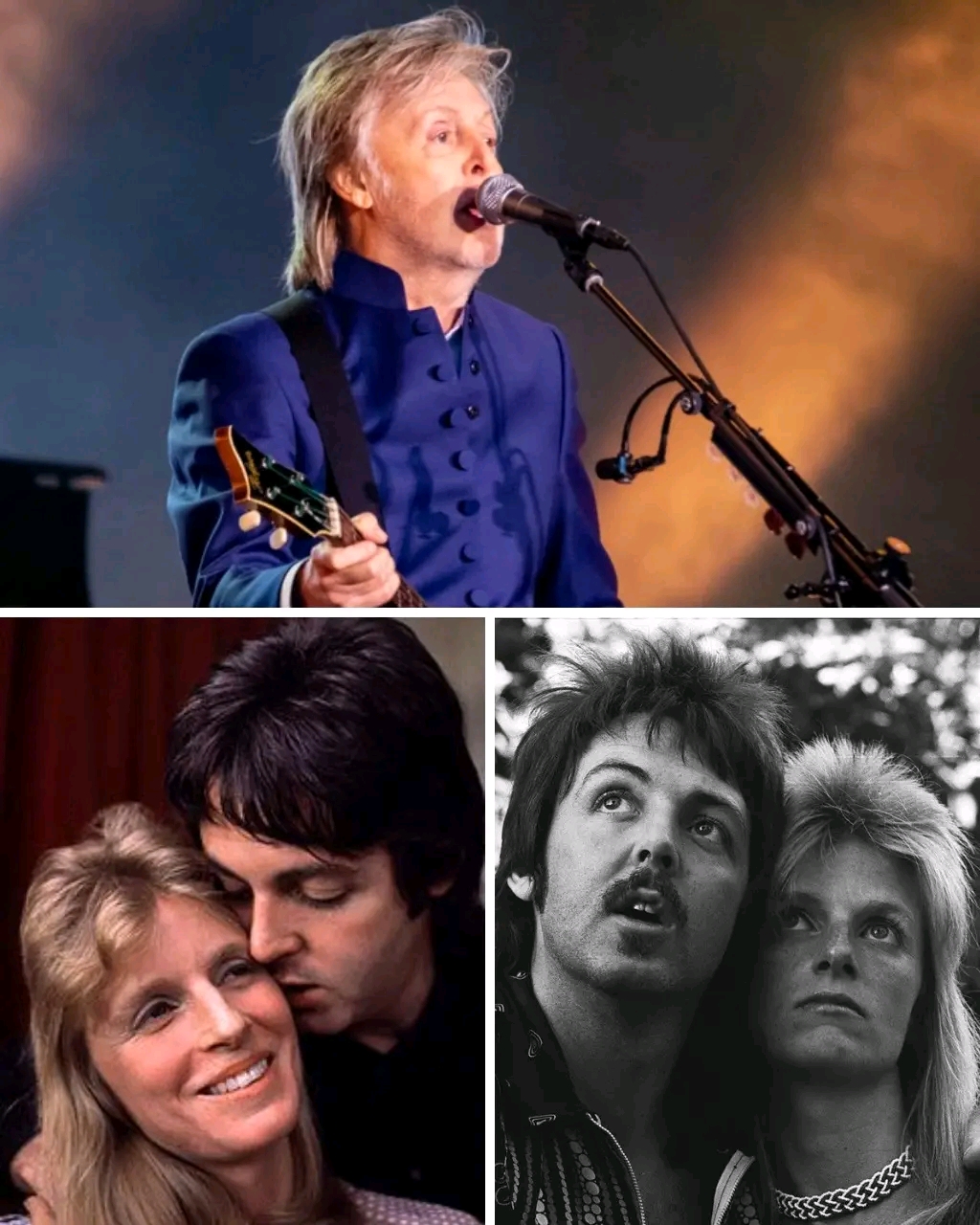
What saved him, as he says quietly, was Linda. Not as a muse, not as a public partner, but as an anchor. She gave him something The Beatles never could: an ordinary life when everything extraordinary had fallen apart. She believed in him when he didn’t believe in himself. She reminded him that he was more than half of a legendary partnership — he was a human being, allowed to grieve, to fail, to start again.
So why speak about it now?
Because time changes the meaning of honesty. In the years immediately after the breakup, survival mattered more than reflection. Later, legacy took over. Only now, with decades of distance and loss behind him — including Linda herself — can Paul look back without fear of rewriting history or diminishing the magic of The Beatles. He’s not confessing weakness. He’s completing the story.
Man on the Run doesn’t promise scandal or spectacle. Instead, it offers something rarer: a portrait of resilience. Of a man who hit the lowest point after reaching the highest peak, and who rebuilt himself not through noise, but through love, patience, and persistence.
The answers Paul gives aren’t loud. They don’t need to be. Because sometimes the most important chapters in music history happen when the music stops — and someone has to learn how to live again.