John Lennon as a Father: The Story Behind “Beautiful Boy”
For much of his early fame, John Lennon was known as a revolutionary voice, a sharp-witted Beatle, and a cultural lightning rod. But behind the headlines, beyond the politics and the poetry, there was another role he longed to understand better: fatherhood.
His 1980 song Beautiful Boy (Darling Boy) stands as one of the most intimate windows into that side of him — a tender lullaby written for his son Sean, and a quiet reflection on love, regret, and second chances.
—
A Complicated Beginning: Julian
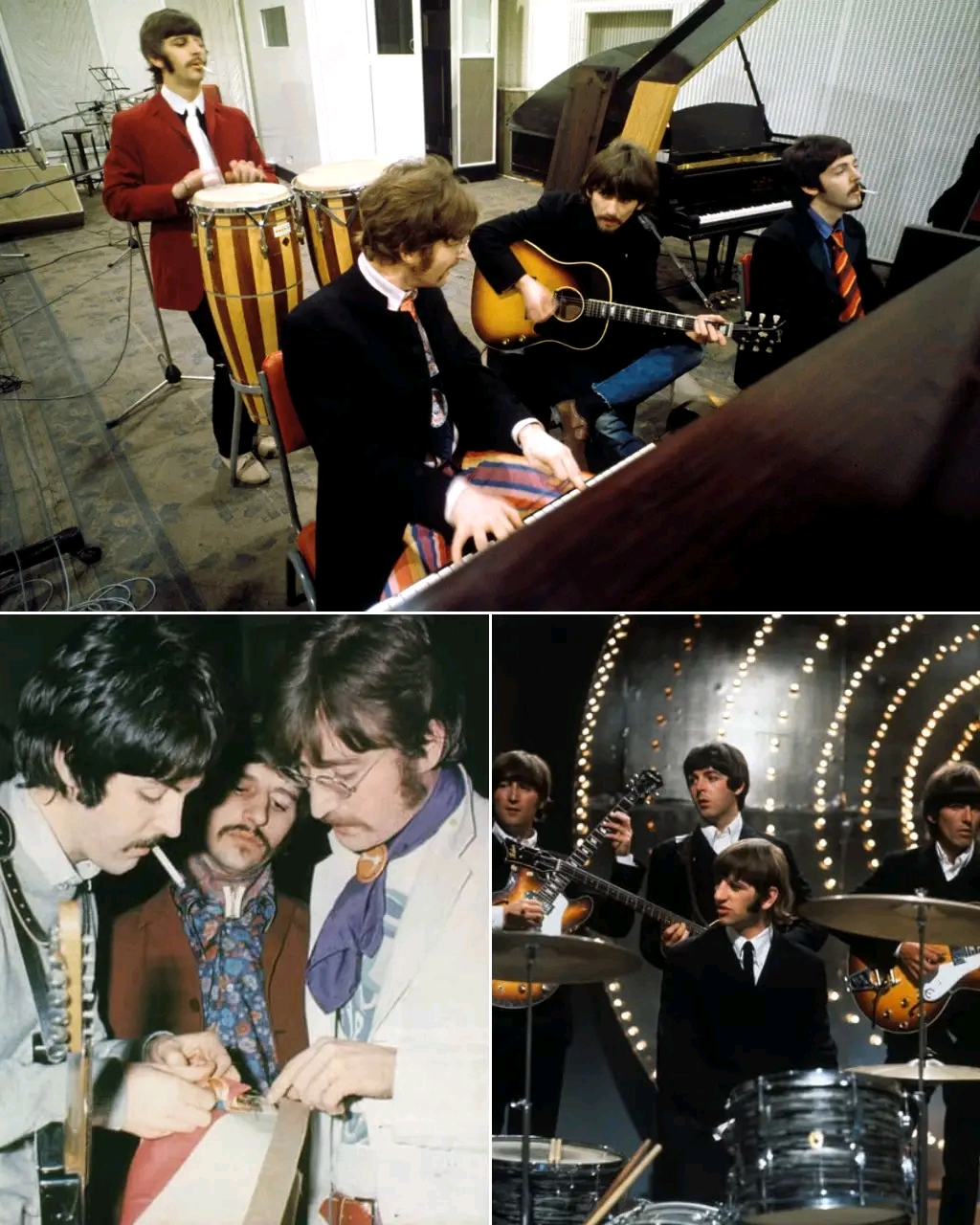
Lennon first became a father in 1963 when his son Julian was born during the height of Beatlemania. At the time, The Beatles were exploding into global fame. Touring schedules were relentless. Privacy was nonexistent.
Fatherhood, for Lennon then, collided with chaos.
He later admitted he wasn’t emotionally prepared. His own childhood had been fractured — raised largely by his Aunt Mimi after being separated from his mother — and those early wounds shaped how he approached relationships. The distance between Lennon and Julian became a source of lasting guilt, something he would openly acknowledge in later interviews.
That honesty mattered. Lennon didn’t hide from his shortcomings; he confronted them.
—
A New Chapter: Sean and Starting Over
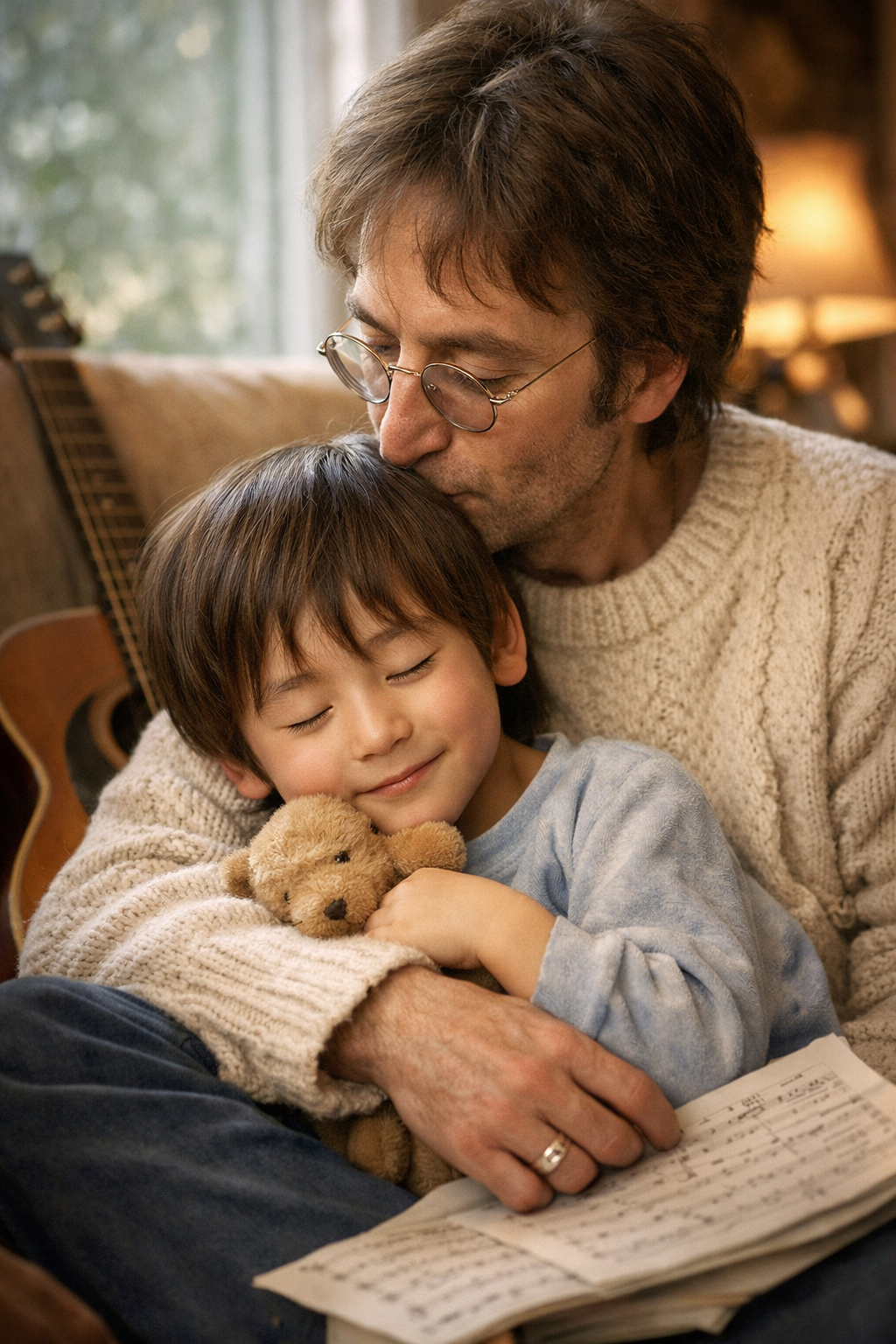
Everything changed in 1975 with the birth of his second son, Sean, whom he shared with Yoko Ono. By then, Lennon had stepped away from music entirely. He called himself a “househusband,” retreating from public life to raise his son in New York.
For five years, he baked bread, changed diapers, took walks through Central Park, and immersed himself in domestic life. For a man once defined by stadium crowds and studio sessions, it was a radical shift.
But to Lennon, it wasn’t retreat — it was redemption.
He often said Sean gave him a second chance to experience fatherhood the way he wished he had the first time. This period softened him. Interviews from the late 1970s reveal a man less combative, more reflective, deeply protective of his family.
—
The Meaning Behind “Beautiful Boy”
Released on the album Double Fantasy, “Beautiful Boy (Darling Boy)” feels almost like a whispered promise. The song captures everyday moments — watching Sean sleep, anticipating his growth, reassuring him against fear.
The famous line, “Life is what happens to you while you’re busy making other plans,” carries a quiet wisdom. It feels autobiographical. Lennon, who had once been swept up in fame, politics, and ambition, had learned the value of stillness and presence.
The song’s gentle tone contrasts sharply with his earlier raw confessions in tracks like “Mother” or “Working Class Hero.” Where those songs confronted pain, “Beautiful Boy” embraces healing.
It’s not grand or revolutionary. It’s simple. And that simplicity is its power.
—
Regret and Growth
Lennon never pretended to be a perfect father. In fact, he was unusually candid about failing Julian. That vulnerability adds weight to “Beautiful Boy.” It isn’t just a lullaby; it’s a declaration that he had changed.
He once described himself as a “destructive male” in his youth — prone to anger, insecurity, and emotional immaturity. By 1980, he spoke about growth, therapy, and self-awareness. Fatherhood, especially with Sean, had grounded him.
The transformation was real — and incomplete, as all human journeys are. But it was sincere.
—
A Song Frozen in Time
Tragically, just weeks after the release of Double Fantasy, Lennon was killed outside his New York apartment building. “Beautiful Boy” instantly took on a deeper emotional resonance. What was meant as a father’s reassurance became something else — a lasting message from a parent to a child.
For Sean, the song is personal history. For listeners, it’s something universal.
Every parent hears their own fears and hopes in it. Every child hears the reassurance they need.
—
The Legacy of a Father
John Lennon’s public identity will always be complex — artist, activist, provocateur, dreamer. But “Beautiful Boy” reminds us that beyond the myth was a man trying to grow beyond his past.
Fatherhood didn’t erase his flaws. It revealed his humanity.
In the end, perhaps Lennon’s greatest evolution wasn’t musical or political — it was personal. And in a quiet melody written for his son, he left behind proof that even legends are still learning how to love.