Erased From the Page? The Controversy Surrounding John Lennon’s Will and Julian Lennon’s Pain
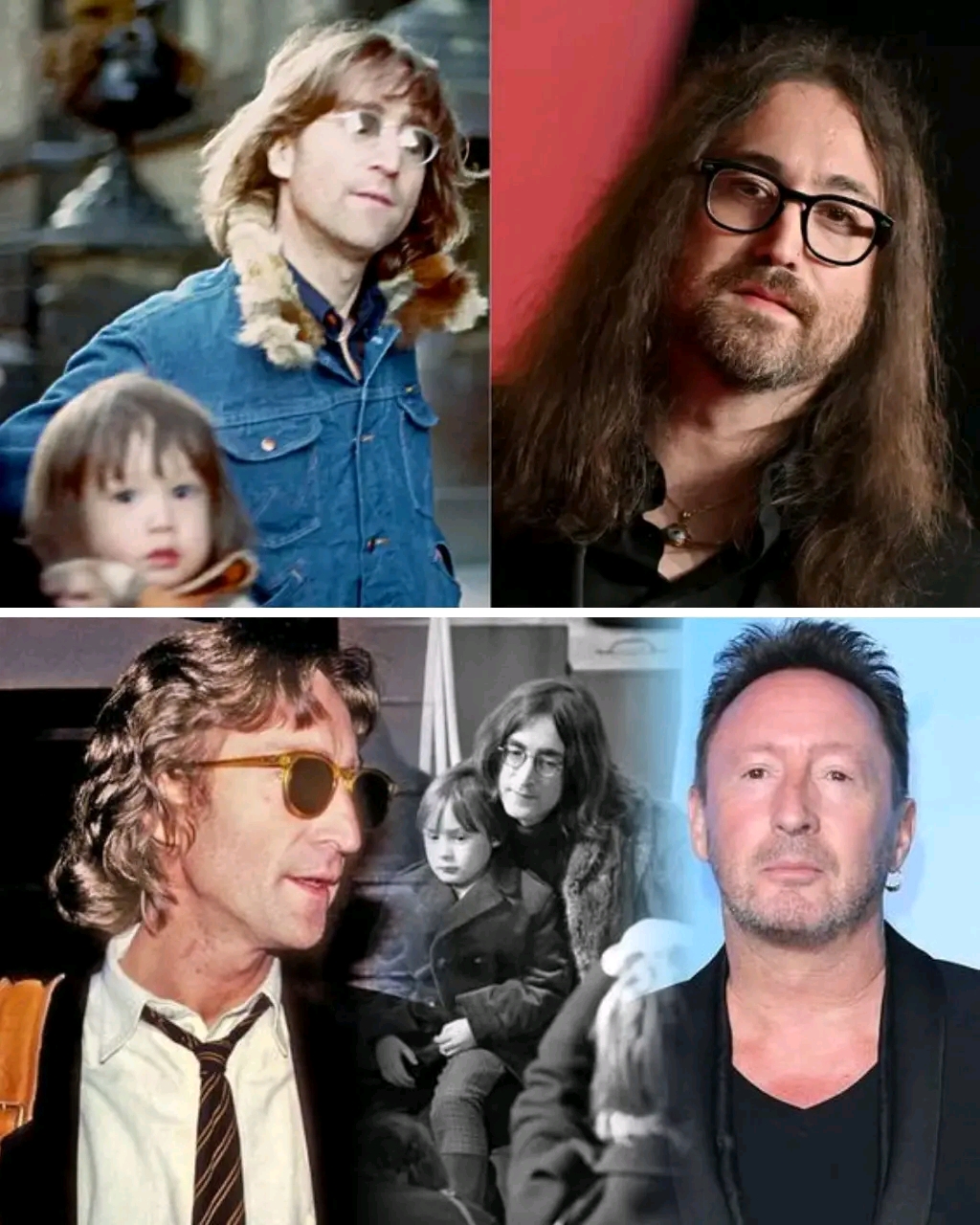
When John Lennon died in December 1980, the world mourned a legend. But behind the public grief was a private family story that has continued to stir debate for decades — especially surrounding his eldest son, Julian Lennon.
The Will That Sparked Controversy
John Lennon’s final will, signed in 1979, left the entirety of his estate to his wife, Yoko Ono. She was named executor and primary beneficiary, with the estate structured in a trust that would ultimately benefit their son, Sean Lennon.
What shocked many fans was this: Julian was not directly named as a beneficiary in the will.
To some, it looked like an erasure. To others, it was simply a legal structure — one that placed everything in Yoko’s hands to distribute as she saw fit. But emotionally, the distinction mattered.
More Than Money
At the time of John’s death, his estate was valued at an estimated $200 million (and would grow far beyond that in the decades to follow). Legally speaking, Julian had already been provided for earlier in life through a settlement following John’s divorce from his first wife, Cynthia Lennon.
But as Julian later suggested in interviews, the pain wasn’t purely financial.
It was about acknowledgment.
Imagine reading your father’s final legal document — a document meant to define his last wishes — and not seeing your name on the page. For Julian, the wound many believe ran deeper than inheritance. It touched identity, belonging, and the complicated reality of being the son of a global icon whose life had dramatically changed after fame, divorce, and remarriage.
The “Lost Weekend” and a Complicated Bond
John’s relationship with Julian had always been layered. After separating from Cynthia in 1968, John became less present in Julian’s early life. During his so-called “Lost Weekend” period in the mid-1970s, he attempted to reconnect — spending more time with Julian and even collaborating musically.
But by 1979, when the will was drafted, John was living a quieter domestic life in New York with Yoko and young Sean. He had stepped back from music to focus on being a father — primarily to Sean. That context shaped the will.
Still, for fans and observers, the optics were stark.
The Legal Settlement
After John’s death, Julian reportedly pursued legal action to secure a fair portion of the estate. In 1996, he reached a confidential settlement with Yoko Ono. Though the exact amount was never officially disclosed, reports have estimated it to be around £20 million.
Julian has spoken candidly over the years about feeling like an outsider — not just in the will, but in the broader narrative of John’s legacy.
And yet, he has also expressed forgiveness and growth, saying that understanding his father as a flawed human being, rather than a myth, helped him heal.
Why the Debate Continues
The controversy endures because it touches something universal: the need to be seen by a parent.
Was it a cold legal oversight? A deliberate choice reflecting John’s final years? Or simply a trust structure that outsiders misinterpreted?
There’s also a painful irony: John Lennon wrote some of the most emotionally resonant songs about love, longing, and family. Yet his own family story remains complex and, in parts, unresolved.
For fans, the debate isn’t just about money. It’s about legacy — and about how even icons can leave behind unfinished chapters.
And perhaps that’s why this detail still sparks conversation decades later. Because beyond the fame and fortune, it reminds us that behind every legend is a family — with wounds that don’t always make headlines, but never truly disappear.