In 2026, The Beatles Aren’t Just a Memory — They’re Still Here
In a world of algorithms, short attention spans, and endless new releases, some music doesn’t fade into the background. It waits. It breathes. It returns to you exactly when you need it.
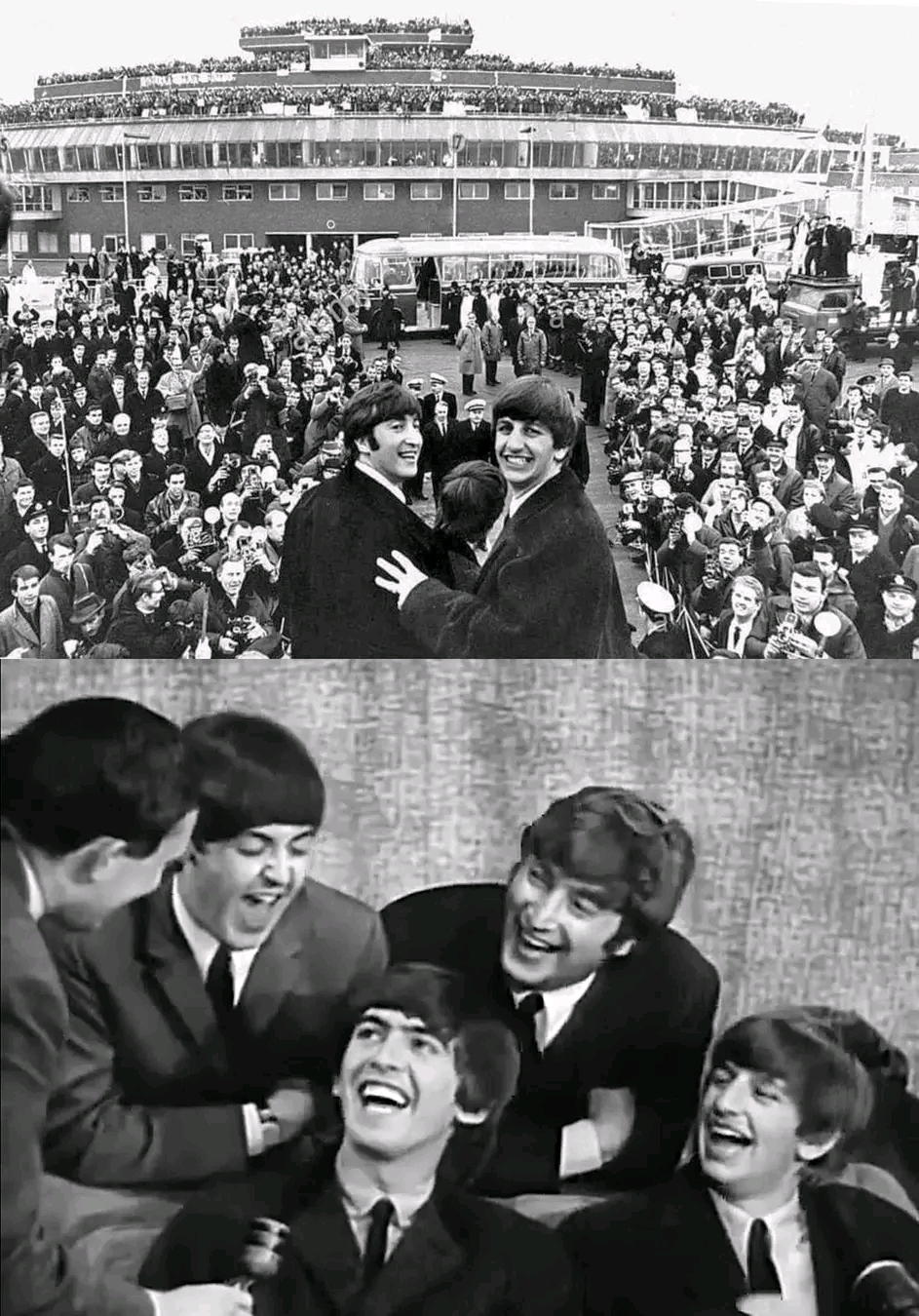
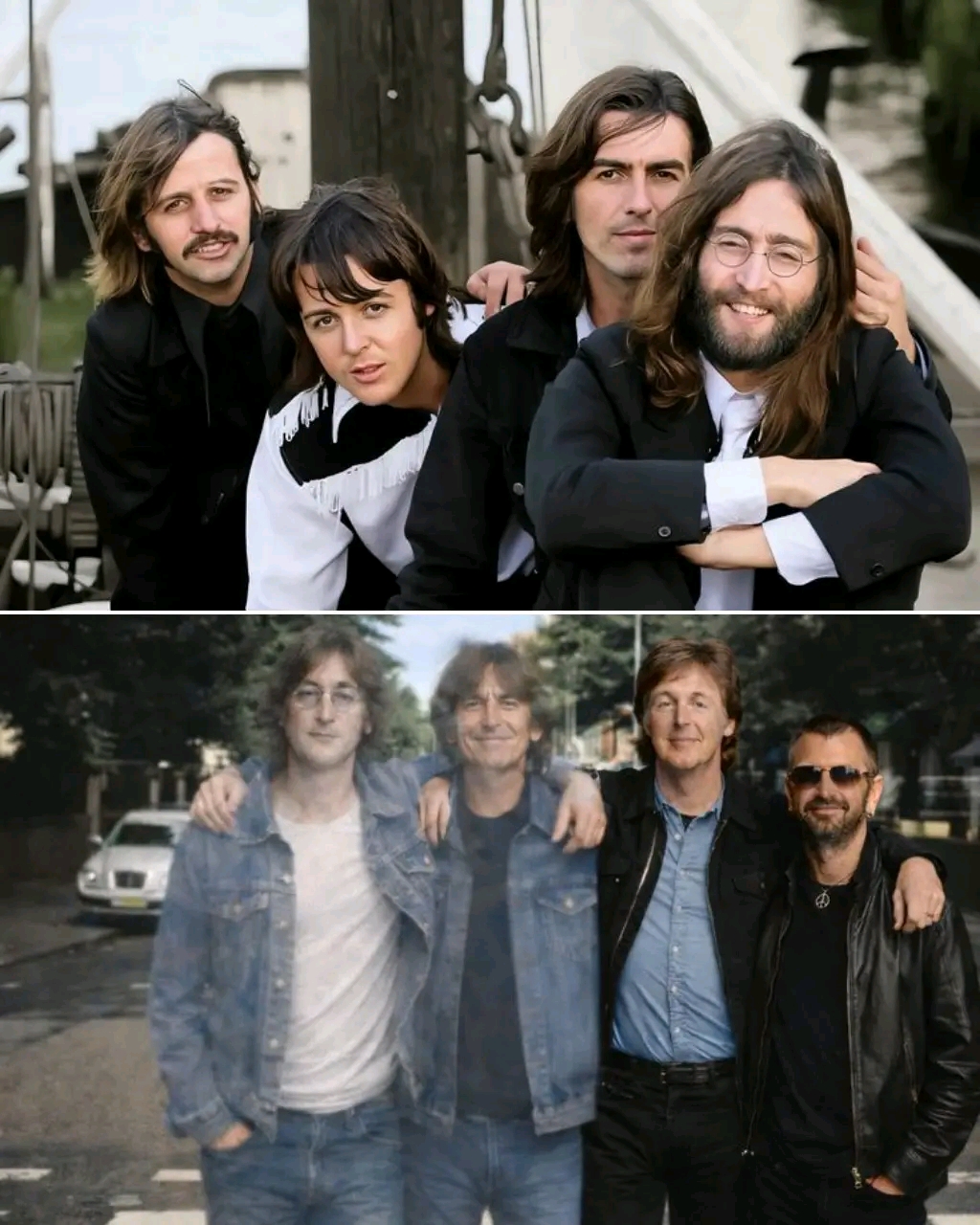
In 2026, The Beatles aren’t simply icons framed in black-and-white photographs. They’re present — in playlists, in car rides, in late-night headphones, in stadium singalongs. Their music doesn’t feel archived. It feels alive.
When Let It Be begins, it doesn’t ask you to remember 1970. It meets you where you are. The piano is gentle, almost fragile. Then the words arrive like quiet reassurance. It isn’t nostalgia that softens something inside you — it’s recognition. The message still fits modern anxieties, modern heartbreaks, modern uncertainty. “Let it be” is not a relic. It’s advice that never expired.
And then there’s Hey Jude. The opening feels intimate, almost like a conversation. But by the time the final chorus swells into that endless “na-na-na,” something extraordinary happens. Strangers sing together. Generations blur. A song written decades ago becomes a shared present-tense experience. Few pieces of music have ever dissolved barriers so effortlessly. In stadiums, on social media, at weddings, at protests — it still unites people who may disagree on everything else.
When Here Comes the Sun begins, it doesn’t carry the weight of history. It feels like light. Written during a difficult period, its gentle optimism feels startlingly relevant today. In uncertain times, its simplicity is powerful. It doesn’t promise that darkness never comes. It simply reminds you that it doesn’t last forever.
Part of what keeps The Beatles alive in 2026 is their emotional honesty. The Beatles never stood still. From early love songs to bold studio experimentation, they evolved faster than the culture around them. Albums like Abbey Road and Sgt. Pepper’s Lonely Hearts Club Band didn’t just define an era — they expanded what popular music could be. Their willingness to change feels strikingly modern in an age that prizes reinvention.
Streaming platforms have introduced them to teenagers who weren’t even born when CDs were common. Social media clips turn classic tracks into viral moments. New mixes and restored recordings continue to reveal layers longtime fans never noticed. But technology alone isn’t the reason they endure.
The reason is simpler.
The Beatles wrote about love without cynicism. About loneliness without shame. About hope without irony. Their melodies are immediate, but their emotions are timeless. You don’t press play to travel backward. You press play because the songs still understand you.
In 2026, the world is faster, louder, and more divided than ever. Yet when a Beatles song begins, time slows. Voices harmonize. A melody carries across decades without losing warmth.
They aren’t just history.
They’re a feeling that keeps returning — right on time.