John Lennon’s Will and the Son Whose Name Was Missing
When John Lennon died in December 1980, the world mourned the loss of one of the most influential figures in modern music. As a founding member of The Beatles, Lennon left behind not only a cultural legacy but also a significant fortune. But when the details of his will became public, many fans were surprised by something that seemed impossible to overlook: the absence of his first son, Julian Lennon.
At the time of Lennon’s death, his estate—worth tens of millions of dollars—was left almost entirely to his wife, Yoko Ono, and their son, Sean Lennon. The will created a trust primarily intended to benefit Yoko and Sean, with Yoko serving as the executor and controller of Lennon’s financial legacy.
For many observers, the question was immediate: where was Julian?
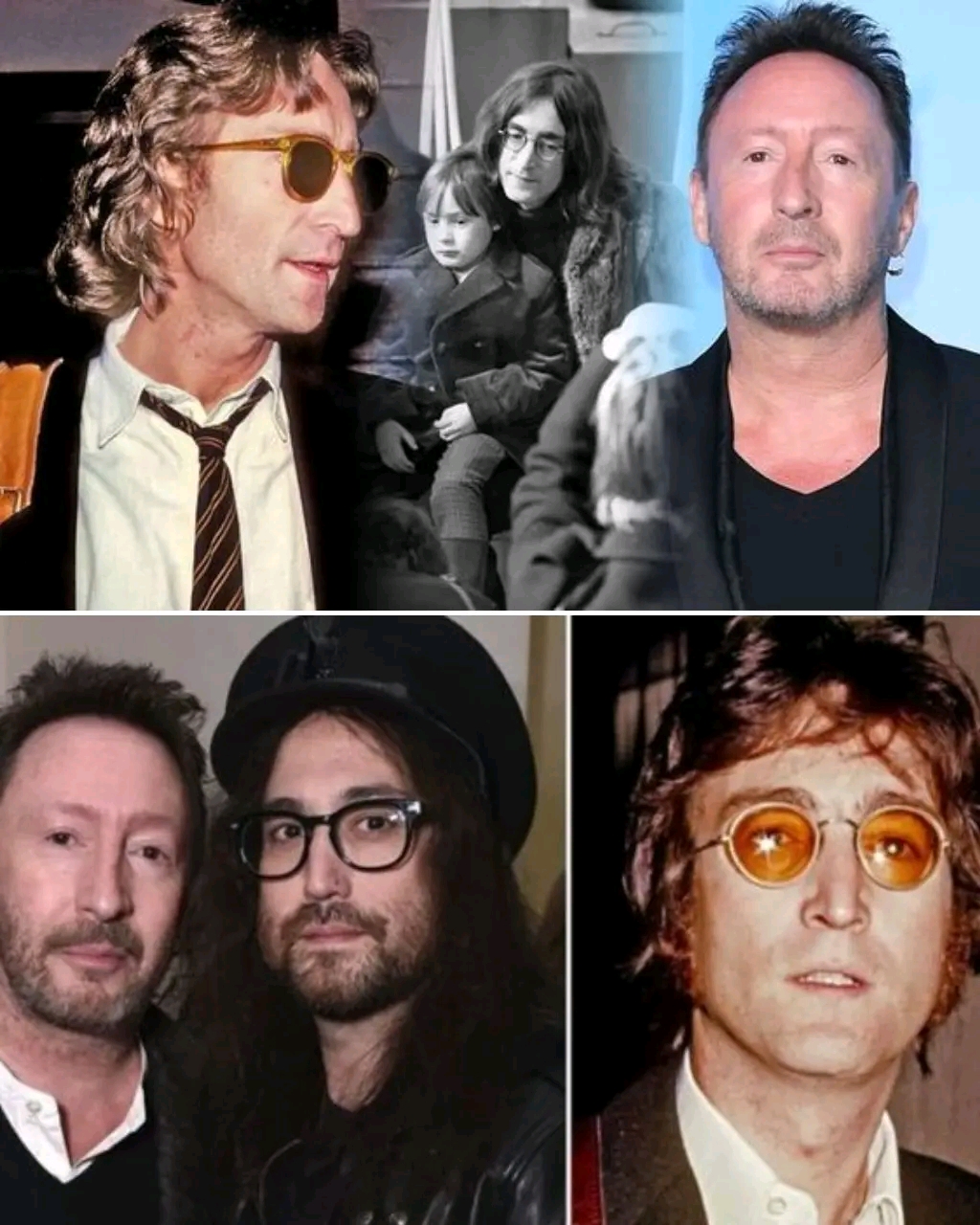
Julian Lennon, born in 1963 to John Lennon and his first wife Cynthia Lennon, had already experienced years of emotional distance from his father after the breakup of John and Cynthia’s marriage in 1968. That separation coincided with John’s growing relationship with Yoko Ono and the final turbulent years of The Beatles.
Although John occasionally tried to reconnect with Julian later in life, their relationship remained complicated. Friends and biographers have often described it as loving in moments but inconsistent and strained.
So when the will surfaced without Julian’s name, the emotional impact was immediate.
According to accounts from those close to Julian, the deepest wound was not purely financial. Instead, it was the symbolic meaning of being left out entirely. To him, the omission felt like being erased from the official record of his father’s life.
Legally, the explanation was somewhat technical. John Lennon had written his will several years before his death and never updated it afterward. Because of that, it did not formally include provisions for Julian beyond arrangements that had already been settled earlier.
Years before the will became public, a divorce settlement between John and Cynthia had established financial support for Julian. But compared to the vast fortune Lennon eventually accumulated, that earlier agreement appeared small.
In the early 1990s, Julian pursued legal action against his father’s estate in order to claim a share of the inheritance. The case was eventually settled privately, with reports suggesting Julian received several million dollars. Even so, the legal battle highlighted the lingering tensions surrounding Lennon’s legacy.
Over time, Julian himself has spoken with a mix of honesty and restraint about the situation. In interviews, he has acknowledged the pain he once felt but has also expressed a desire to move forward rather than dwell on resentment.
Interestingly, some of the most emotional moments in Julian’s story have come from unexpected places. At auctions over the years, he has purchased personal items that once belonged to his father—letters, memorabilia, and musical artifacts—simply to keep them within the family. For many fans, that gesture symbolized something deeper: a son reclaiming pieces of a connection that history had complicated.
Meanwhile, Yoko Ono has remained the primary guardian of John Lennon’s estate, overseeing his music, image, and cultural legacy for decades.
Today, more than forty years after Lennon’s death, the story of the missing name still resonates with fans. It reminds people that behind the mythology of global fame and musical genius were real families and deeply human relationships—sometimes loving, sometimes painful, and often unresolved.
And perhaps that is why the story continues to be discussed among Beatles followers. Not because of the money, but because of what the absence of a single name seemed to say about one of music’s most famous families.