When John Lennon and Paul McCartney Warned the World About Division
For decades, John Lennon spoke with remarkable bluntness about the forces shaping society. Unlike many artists who preferred to stay distant from politics, Lennon often used interviews, music, and public appearances to challenge the systems he believed kept ordinary people divided. His message was simple but powerful: when people are busy fighting each other, they rarely notice who benefits from the conflict.
Lennon believed that working people across the world had far more in common than they were led to believe. In his view, cultural, political, and national divisions were often amplified to distract from deeper issues—power, inequality, and control. Songs like “Imagine” reflected this philosophy, envisioning a world without borders, possessions, or the structures that separate humanity.
What is less frequently discussed is that Paul McCartney, Lennon’s songwriting partner in The Beatles, shared similar concerns—though he often expressed them in a quieter, more reflective way. While McCartney’s public persona leaned toward optimism and melody rather than confrontation, his work has repeatedly touched on themes of peace, unity, and the human cost of conflict.
For McCartney, the idea was not about choosing sides in political battles. Instead, it was about recognizing how easily societies can be pushed toward division. Throughout history, ordinary people have often been encouraged to see each other as enemies—whether across nations, cultures, or ideologies—while those with power remain largely untouched by the consequences.
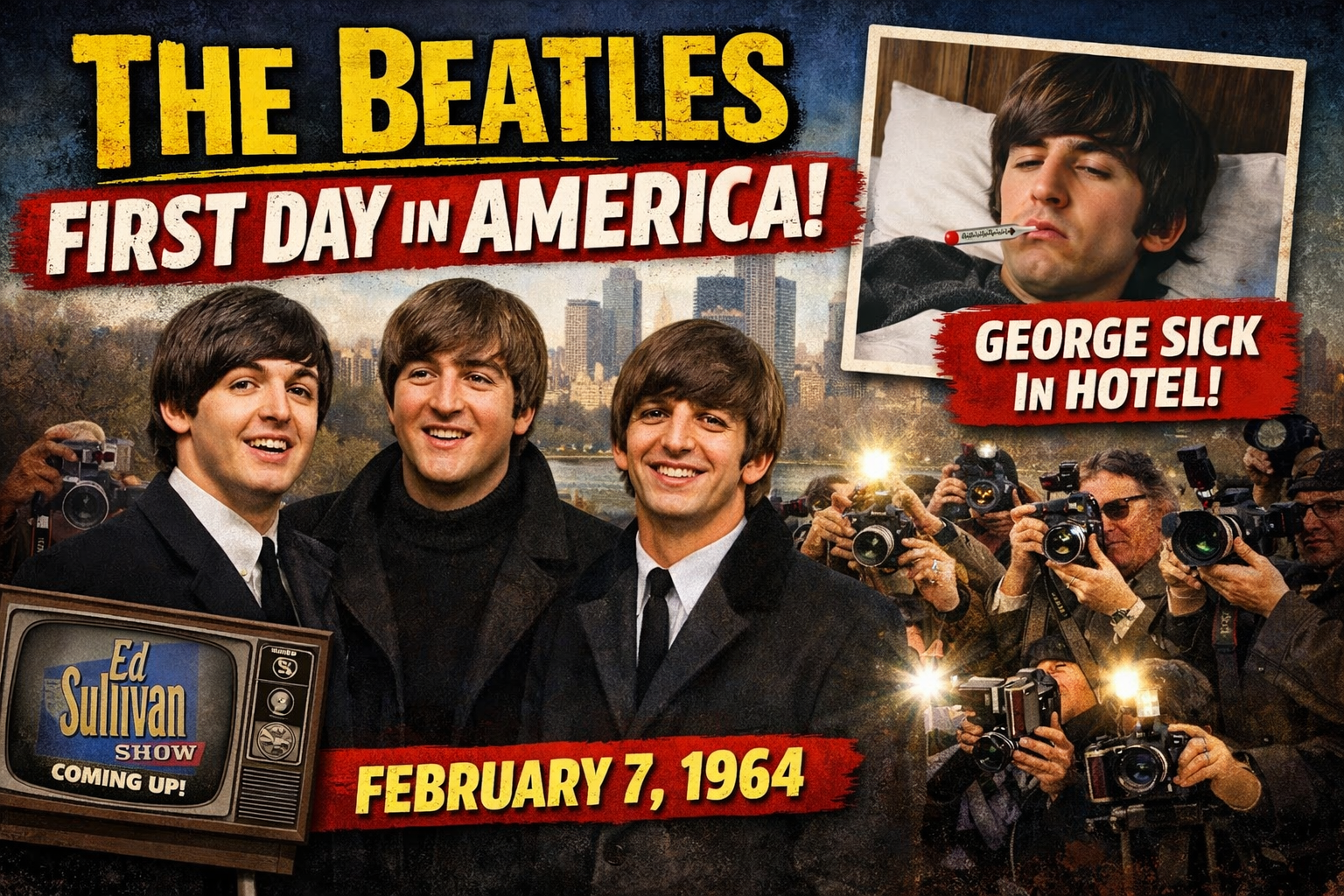
This perspective wasn’t unique to Lennon or McCartney, but their voices carried extraordinary influence because of their cultural reach. As members of The Beatles, they had already reshaped global music and culture. When they spoke about peace or unity, millions listened.
During the late 1960s and early 1970s—an era defined by the Vietnam War, political protests, and social upheaval—Lennon became particularly outspoken. His activism, often alongside Yoko Ono, included peace campaigns, protest songs, and interviews criticizing war and political manipulation. Lennon believed that fear and division were powerful tools used to maintain control.
McCartney’s approach was different but connected. Through songs like “Pipes of Peace” and “Ebony and Ivory,” he explored themes of reconciliation, understanding, and cooperation between people who are often placed on opposite sides. Rather than confronting systems directly, McCartney often tried to highlight the humanity shared by everyone involved.
Despite their stylistic differences, both artists seemed to arrive at the same core belief: most ordinary people do not want war or constant conflict. Instead, they want stability, family, creativity, and the freedom to live their lives. Yet history repeatedly shows societies being drawn into cycles of hostility and division.
Today, decades after The Beatles changed music forever, that message feels surprisingly modern. Around the world, political polarization, cultural tensions, and endless online arguments often make it seem as if societies are permanently divided into opposing camps.
But Lennon and McCartney’s perspective suggests something deeper—that division itself can become a kind of distraction. When people focus entirely on fighting one another, they may overlook the larger forces shaping the system around them.
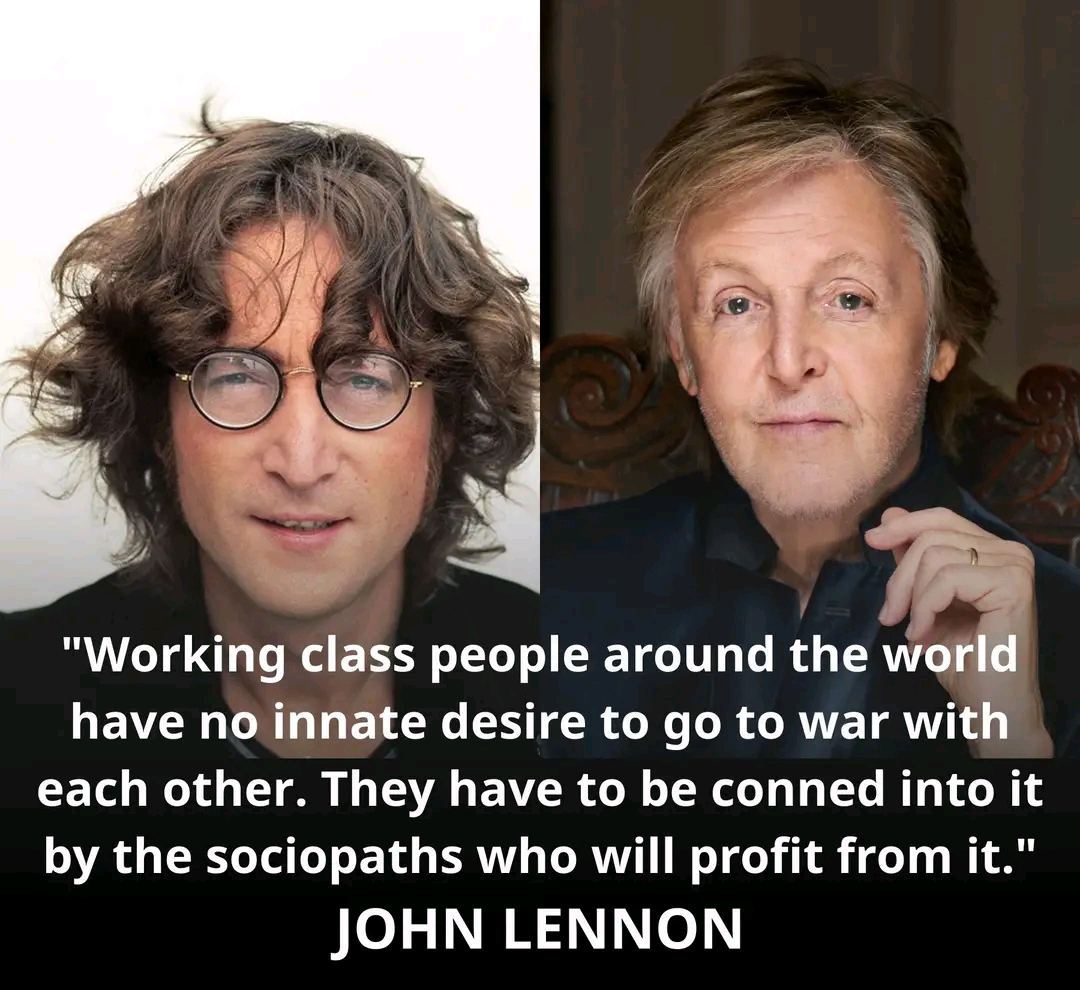
This is why one particular quote—often attributed to Lennon in interviews about power and politics—continues to circulate widely today. It captures the essence of what both musicians warned about: that the real struggle is not always between ordinary people, but between those who hold power and those who live with its consequences.
More than fifty years later, their words still echo with an uncomfortable relevance. The world has changed dramatically since the days of Beatlemania, but the questions they raised about unity, power, and division remain as urgent as ever.
And perhaps that’s why the quote is spreading again now—reminding people that sometimes the biggest conflicts in society are not the ones we see, but the ones we’re encouraged to focus on.