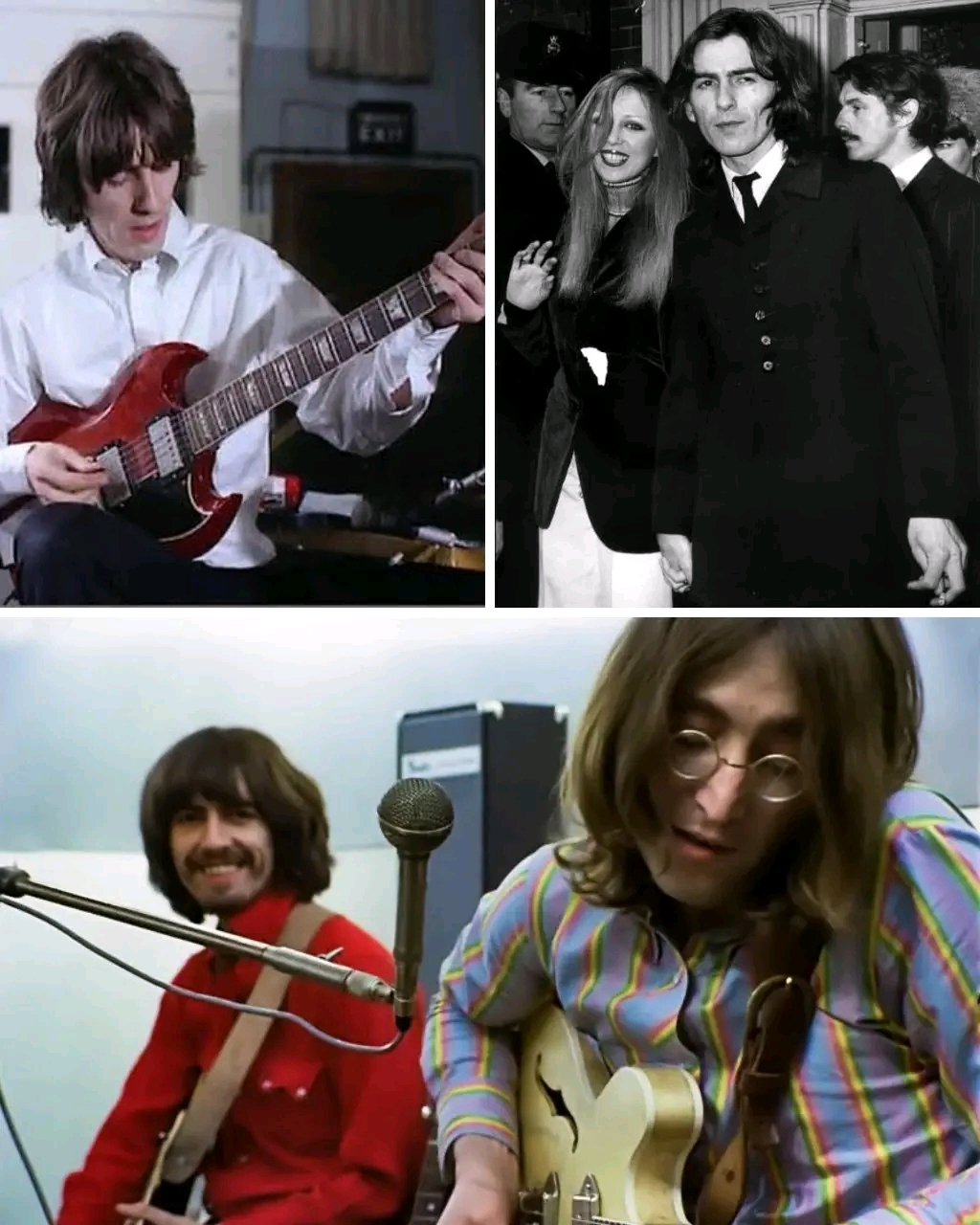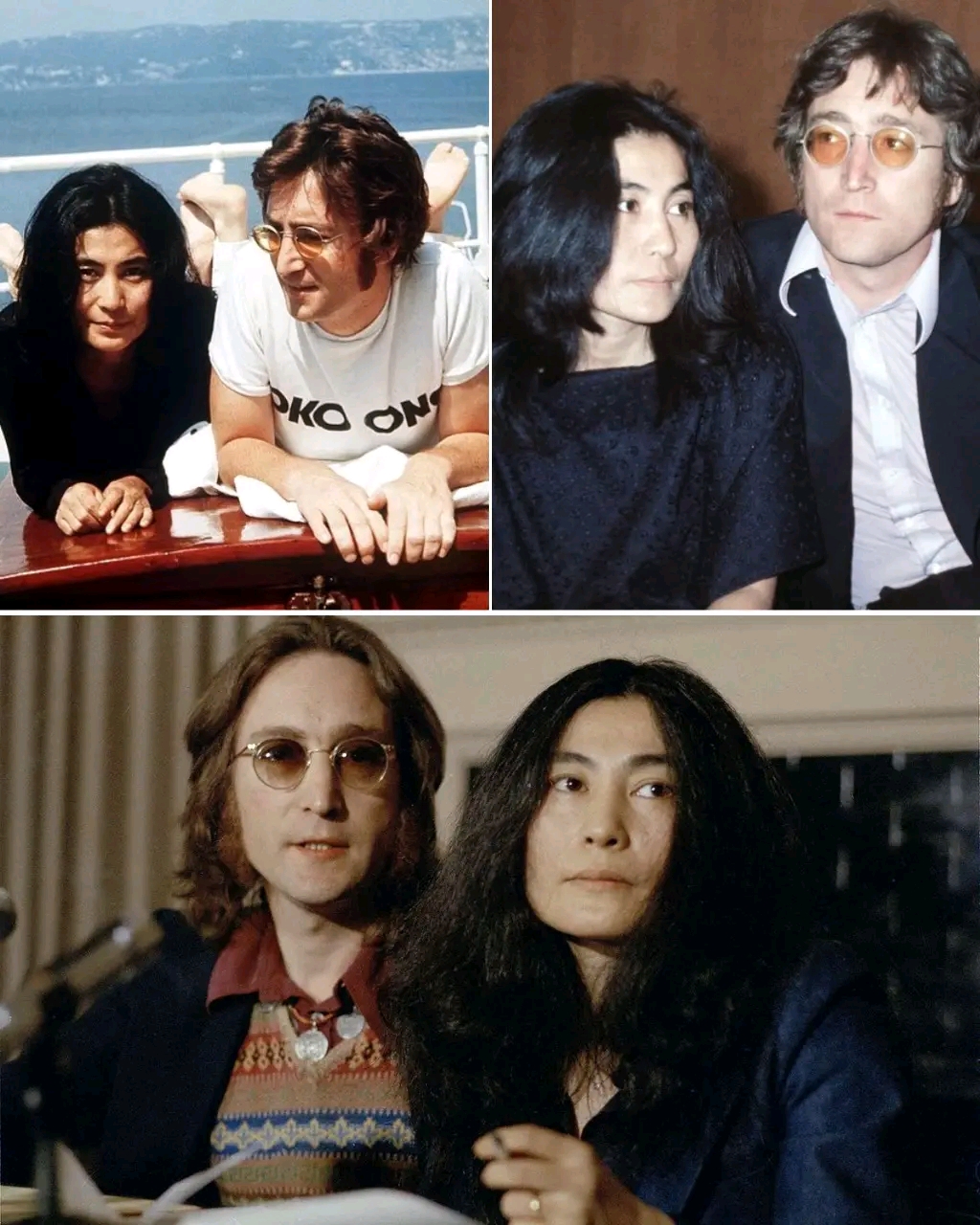
“You know… I think John might have been gay.”
It’s a sentence that has lingered in Beatles history — not because of certainty, but because of who said it, when it was said, and what it reveals about grief, memory, and the complexity of human identity.
According to Paul McCartney, this remark came from Yoko Ono during a private phone call shortly after the tragic death of John Lennon in 1980. The timing alone made the comment deeply striking. McCartney, still processing the loss of his friend and longtime collaborator, was reportedly taken aback — not just by the suggestion itself, but by the emotional weight of the moment in which it surfaced.
In the years since, McCartney has occasionally reflected on that conversation with a sense of calm perspective rather than shock. Rather than dismissing the idea outright, he suggested that even if there had been truth to it, it wouldn’t have changed how he saw Lennon. For McCartney, what mattered was the person he knew — the friend, the creative partner, the man behind the music that shaped a generation.
Their relationship, forged in the early days of The Beatles, was always layered and deeply personal. From writing songs side by side to navigating fame, conflict, and eventual separation, the bond between Lennon and McCartney was far more than professional. It was emotional, sometimes turbulent, and often misunderstood from the outside.
Over the decades, fans and historians have revisited Lennon’s life through many lenses — his artistry, activism, relationships, and inner struggles. Discussions about his identity, including his own openness to emotional fluidity and unconventional expressions of love, have only added to the intrigue. Lennon himself once spoke candidly about the intensity of his friendships and the blurred lines between admiration, affection, and creative connection.
Still, moments like this — a private conversation shared years later — remind us how incomplete any public understanding can be. What Paul McCartney ultimately conveyed was not a revelation, but a reflection: that people are complex, and that even those closest to us may carry parts of themselves we never fully see.
Today, the story continues to spark curiosity and debate among fans. But perhaps its deeper meaning lies elsewhere — not in defining John Lennon, but in understanding the enduring, complicated humanity behind icons.
Because in the end, beyond the headlines and speculation, what remains is the music… and the bond between two young men from Liverpool who changed the world together.