The story of John Lennon’s will has remained one of the most emotional and debated chapters in the legacy of The Beatles—not because of its financial scale, but because of what many believe it symbolized.
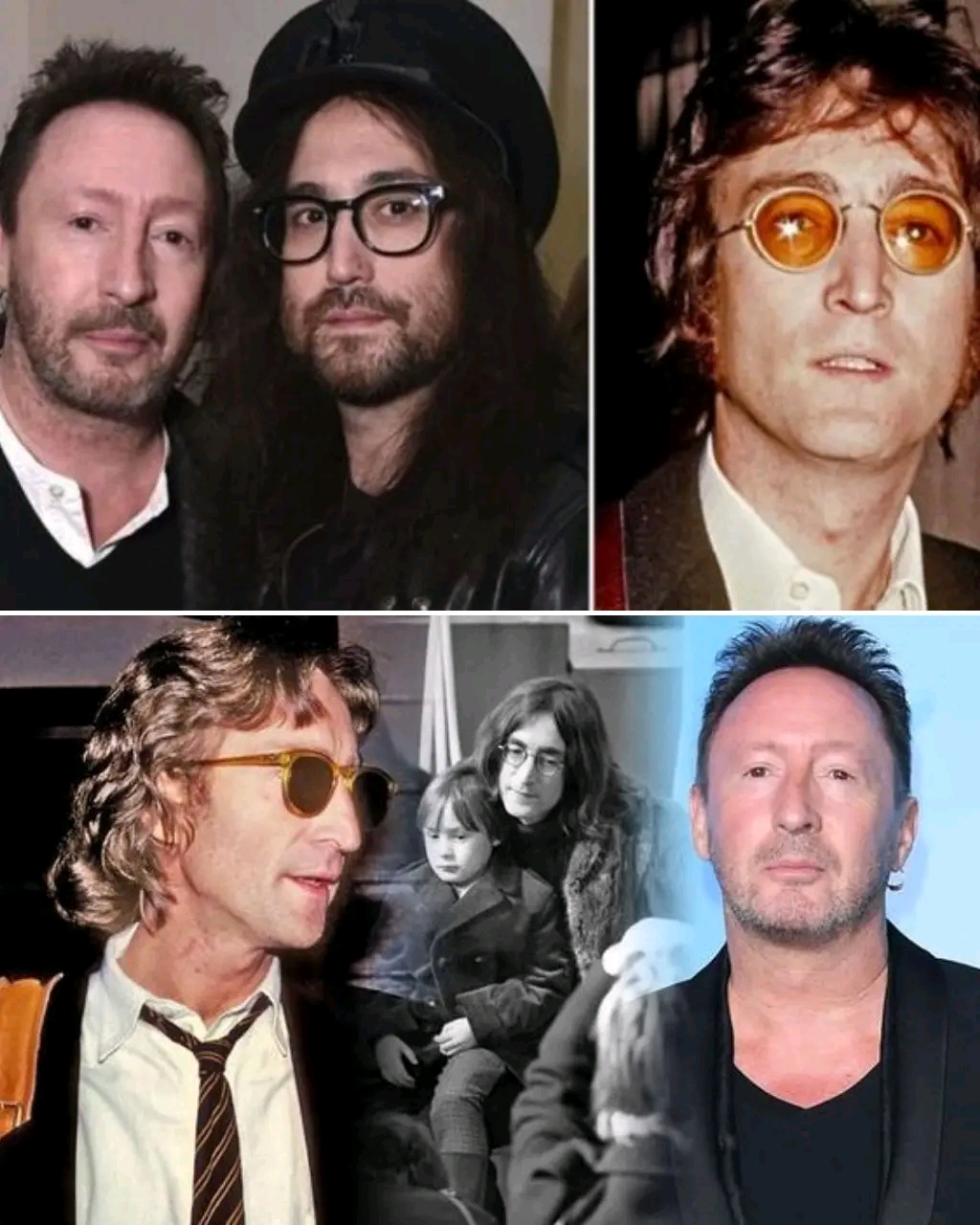
When Lennon was tragically killed in 1980, his estate—estimated to be worth tens of millions—was left primarily to Yoko Ono and their son Sean Lennon. Missing from the will was a direct provision for his first son, Julian Lennon. For many observers, that absence felt less like a legal technicality and more like a deeply personal omission.
The Detail That Sparked Debate
One lesser-known but often discussed detail is that John Lennon’s will had been written years before his death—during a period when his relationship with Julian was strained and distant. At the time, Lennon had stepped away from public life and was focused on raising Sean, whom he often referred to as his “priority” during his later years.
Because the will was never updated, Julian was not explicitly included. Instead, he was left to benefit indirectly through a trust established earlier in his childhood following Lennon’s divorce from Cynthia Lennon.
To some, this was a matter of timing and legal structure. But to others, it raised a painful question: why didn’t Lennon revise his will later, especially after reportedly reconnecting with Julian in the final years of his life?
Julian’s Response Over the Years
For Julian Lennon, the issue was never just about money—it was about acknowledgment.
In the years following his father’s death, Julian had to take legal action to secure a fair share of the estate. Reports suggest that he eventually reached a settlement with Yoko Ono, though the exact terms were kept private. What is known is that the process was long, difficult, and emotionally taxing.
Julian later spoke openly about the situation, describing feelings of being “forgotten” or “pushed aside.” He also revealed that he had to buy back personal items from his father’s legacy—things that held deep sentimental value—at auctions.
And yet, despite the pain, Julian’s tone over time has softened. In more recent years, he has expressed a sense of peace and even reconciliation with the past. He has acknowledged that relationships are complex, and that his understanding of his father has evolved with age.
A Legacy Beyond Paper
The controversy surrounding John Lennon’s will continues to resonate because it touches on something universal: the need to feel seen, valued, and remembered by those we love.
While legal documents define the distribution of wealth, they can never fully capture the emotional bonds within a family. In Julian’s case, the absence of his name became symbolic of something far deeper than inheritance—it became a reflection of a complicated father-son relationship played out under the harsh light of global fame.
Today, both Julian and Sean carry forward their father’s musical and humanitarian legacy in their own ways. And perhaps, in time, that shared connection has become more meaningful than anything written—or unwritten—on paper.